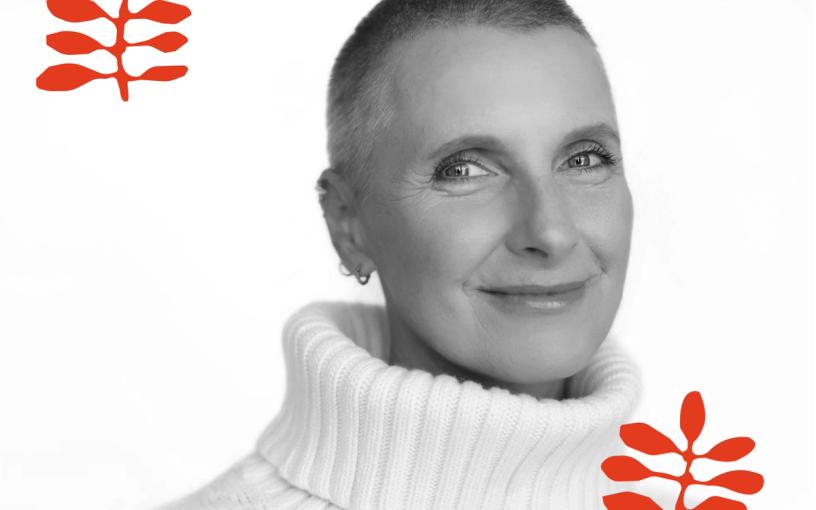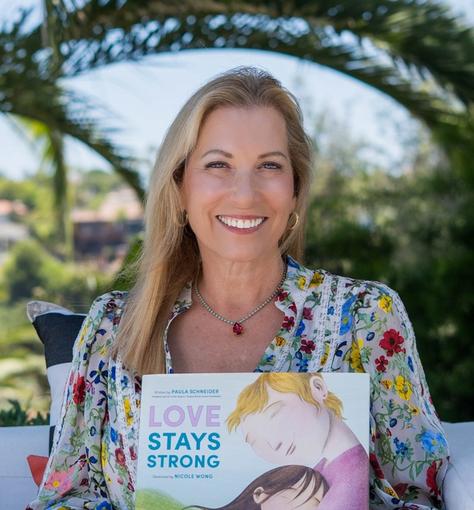

Jen Shorr is someone with determination in the best way. She’s brought a measurable amount of fun to New York’s East Village in her career: in the past decade, she’s opened two beloved disco-y, moody bars next door to each other (Joyface in 2018, and HiLot in 2022, both full of warm lighting and elation). The year after HiLot opened, in October 2023, she was diagnosed with breast cancer and underwent chemo treatments from November to March 2024.
While Jen’s primary focus was stopping her cancer, her hair was all she could think about. Feeling sick and looking sick were both inevitable for her type of treatment; a chemo regimen (weekly Taxol; Carboplatin, Herceptin, and Perjeta every three weeks) that had a chance of keeping about 50% of her hair (if she pursued cold capping). She used Penguin Cold Caps and was able to keep about 60% of her hair.
“The second you find out you have cancer,” Jen says, “Go get a cut and color and some botox.” You can’t do these within two weeks of treatment starting, and if these maintenance appointments are important to you, schedule them right away. (Microblading is also something that has to be done weeks before you start and can’t be done too close to botox).
For Jen, keeping her hair during treatment was the way to hold onto the part of herself she loved the most, and to control what she could in an uncontrollable situation. It helped her channel her energy and focus into something visible.
Jen pursued cold capping and other measures to stop as much hair loss as she possibly could. She wanted to make every effort she could; with cold capping the timing, the temperature, and all the details really effect the results. When talking about her experience with hair loss, Jen shares, “your hair starts to fall out 21 days after your first chemo—doctors or nurses usually aren't going to spend much time talking to you about hair,” says Jen. [Editors note: This is about average, and changes based on treatment, as all things do.] “It’s very hard having these talks with these professionals that are trying to save your life. They're not even remotely thinking about your hair. And: I get it. They have better things to do.”
“I lost about 40% of my hair,” Jen says. “It fell out evenly, almost everywhere. Otherwise, it just looked thin and a little bit dirty. There were never any bald patches. The only bald spots were behind my ears, because they can't put the cold cap there.”
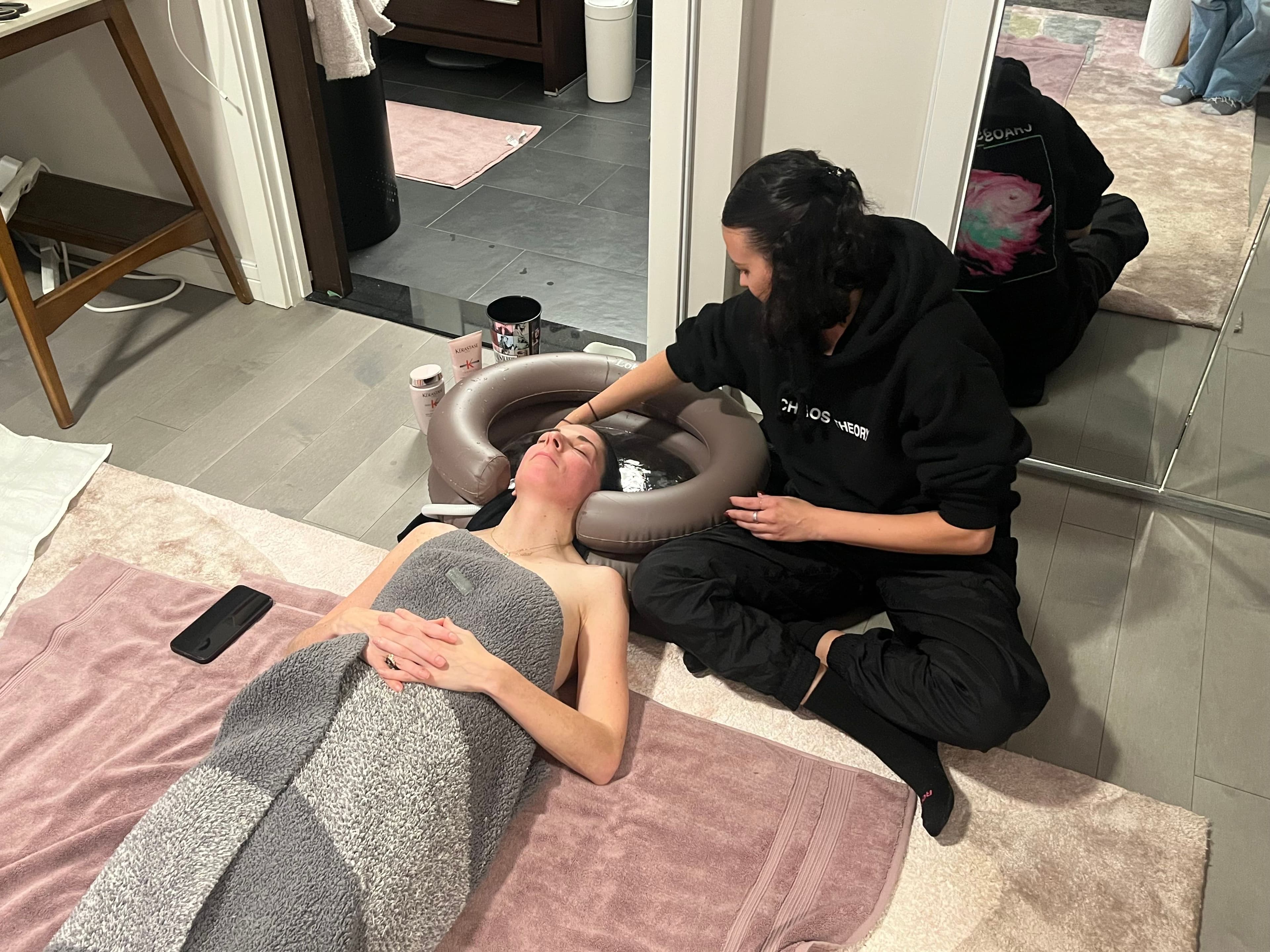
Jen working with Netty Jordan.
To protect her hair, Jen worked weekly with her friend and hair stylist Netty Jordan (read our interview with Netty and her recommendations here.) Netty and Jen had been friends for some time, but became very close over the four month period of treatment. It was a relationship that also became a lifeline. “Sometimes being around your mom or your brother, people that are so emotionally attached to how you feel, it's really hard, because then they're so involved,” says Jen. “It is easier sometimes to be around someone who isn’t your absolute closest best friend or your mom or sister, because there's so much less emotional energy to it.”
Pursuing an intricate routine to help keep as much of her hair as possible gave Jen something to focus on; and she emerged with a rigorous set of tips, tricks, and it-just-might-work-for-you-too advice.
Below, she shares her tried-and-tested tips and her favorite products to help navigate cold capping, to treat yourself gently at home, and to start to feel better faster during the recovery stage.
Tools for Cold Capping (with Penguin Cold Capping)
I did Penguin cold capping, and I don't want someone to take this advice that's doing a different kind of cold capping, because there's different protocols for them.
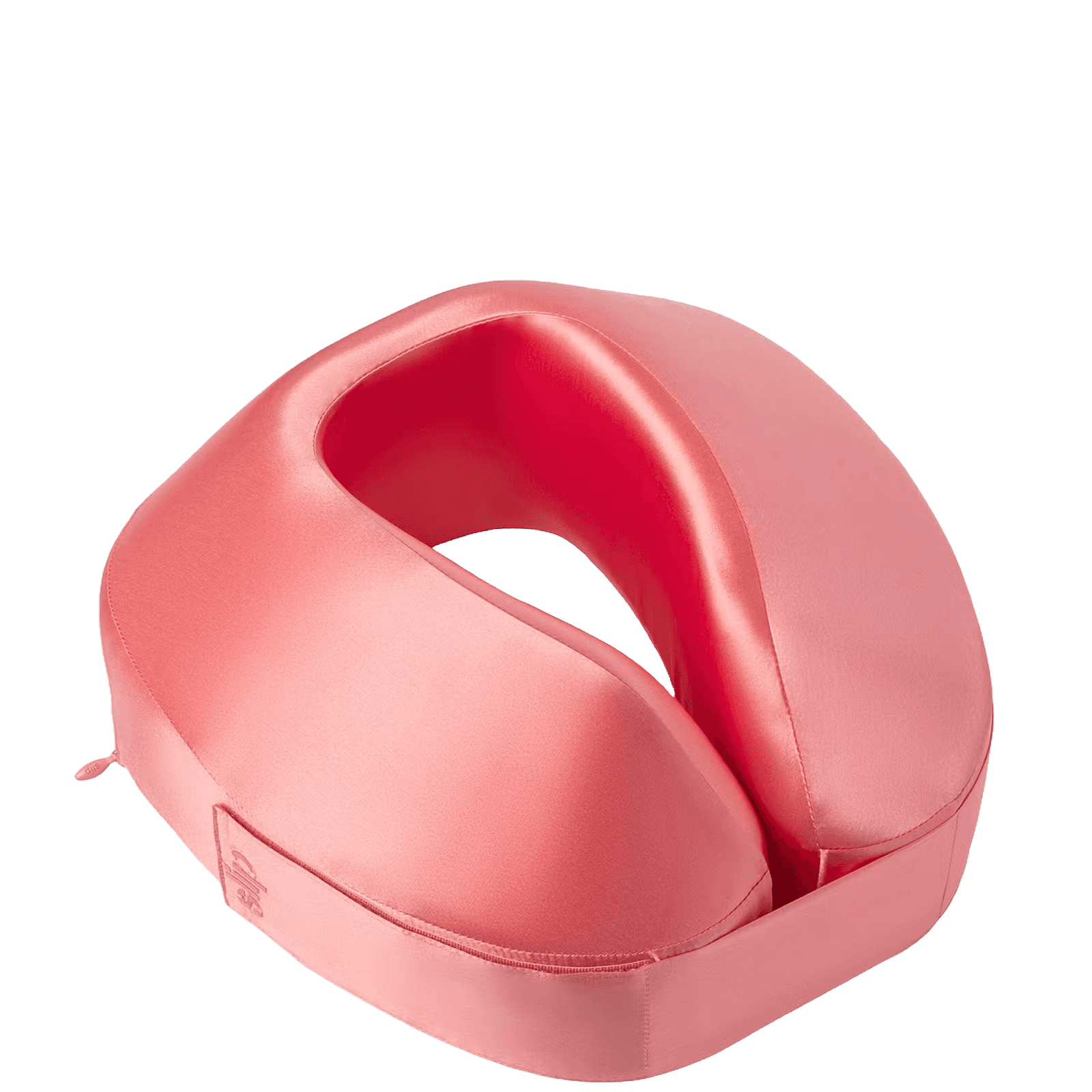
A Neck-Pillow to Support the Cap
For cold capping, you have to bring a travel neck pillow, because the cap is so heavy on your head. My neck hurt throughout, because there's so much weight on your head, so you need the pillow to really help hold up your head. This one, covered in silk, will also be gentle on your skin and hair.
Heated Blankets
Cold capping is so cold that you kind of fade out, it’s like you're getting buried under snow. I couldn't listen to any music or anything, I couldn't talk to anyone. I would bring two heated blankets. Some hospitals have heated chairs, Mount Sinai has a slightly heated chair, but it didn't work as well as I needed it to. I’d put a heated blanket underneath me and a heated blanket on top.

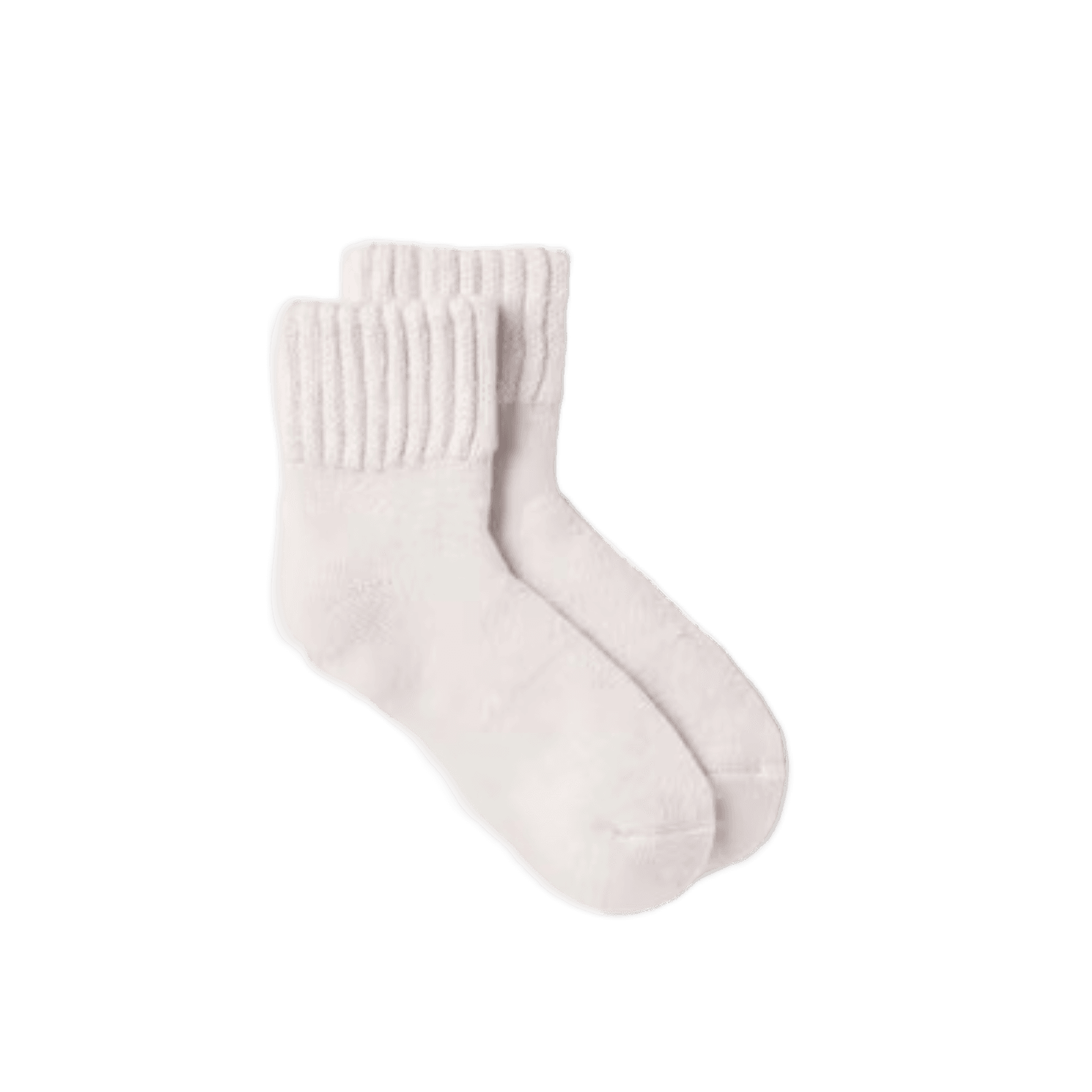
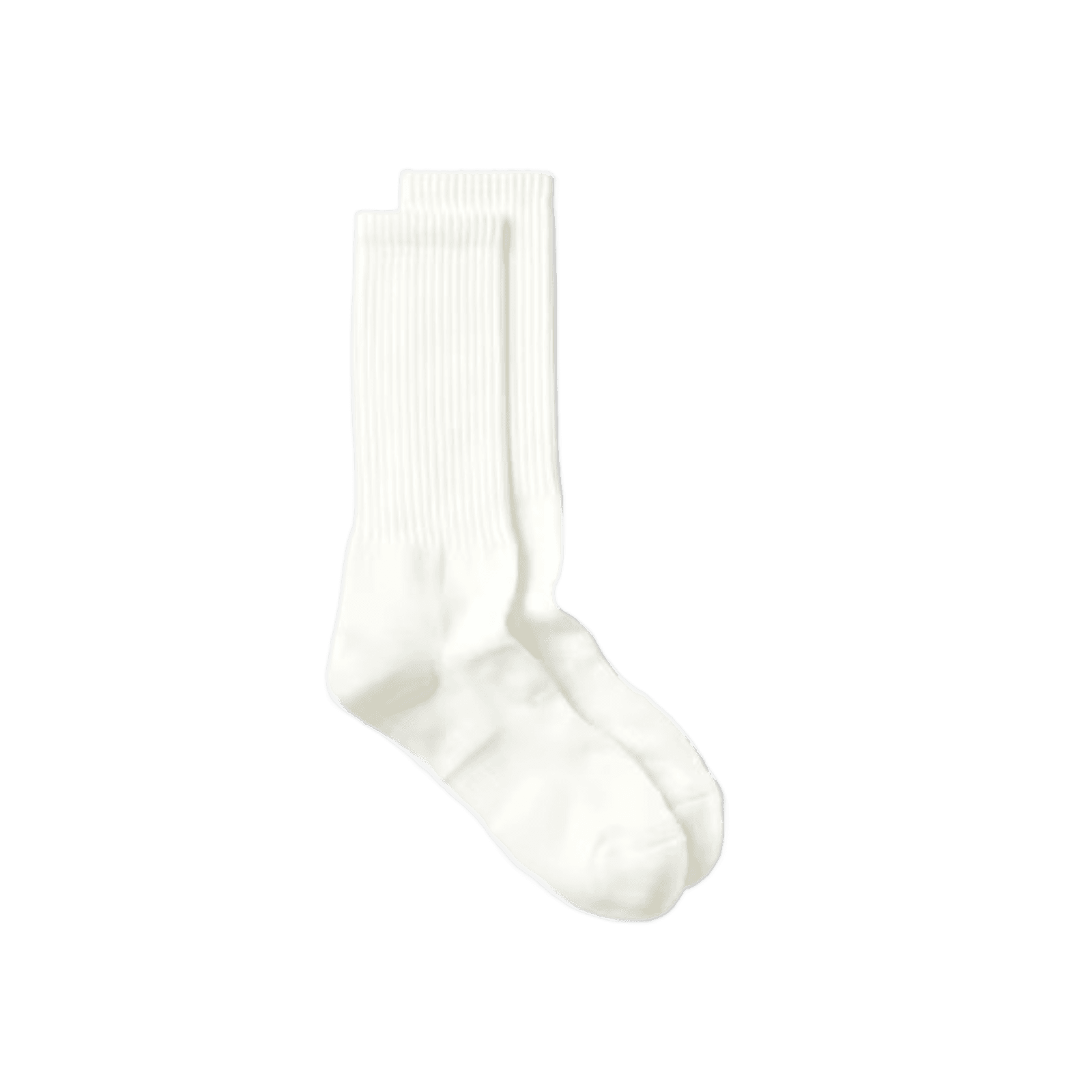
… And Two Pairs of Socks (with Easy Slip On Shoes)
I also did cold packs on my hands and feet to prevent neuropathy. I would wear two pairs of socks: one regular pair, and then one really thick, fluffy pair. I would take off that outer pair when I was doing the ice— then I would put that outer fluffy sock back on when I was done. And when I’d go to the bathroom, I’d put on slides.

Preparing Your Home
To Reduce Hair Loss, Get Silk Everything…
I got whole sheet sets of silk. I even draped a silk sheet over my couch. Once when I went to the emergency room, I brought my silk pillowcase because my hair was coming out on the stupid hospital blanket.

… and a Silky Jacket
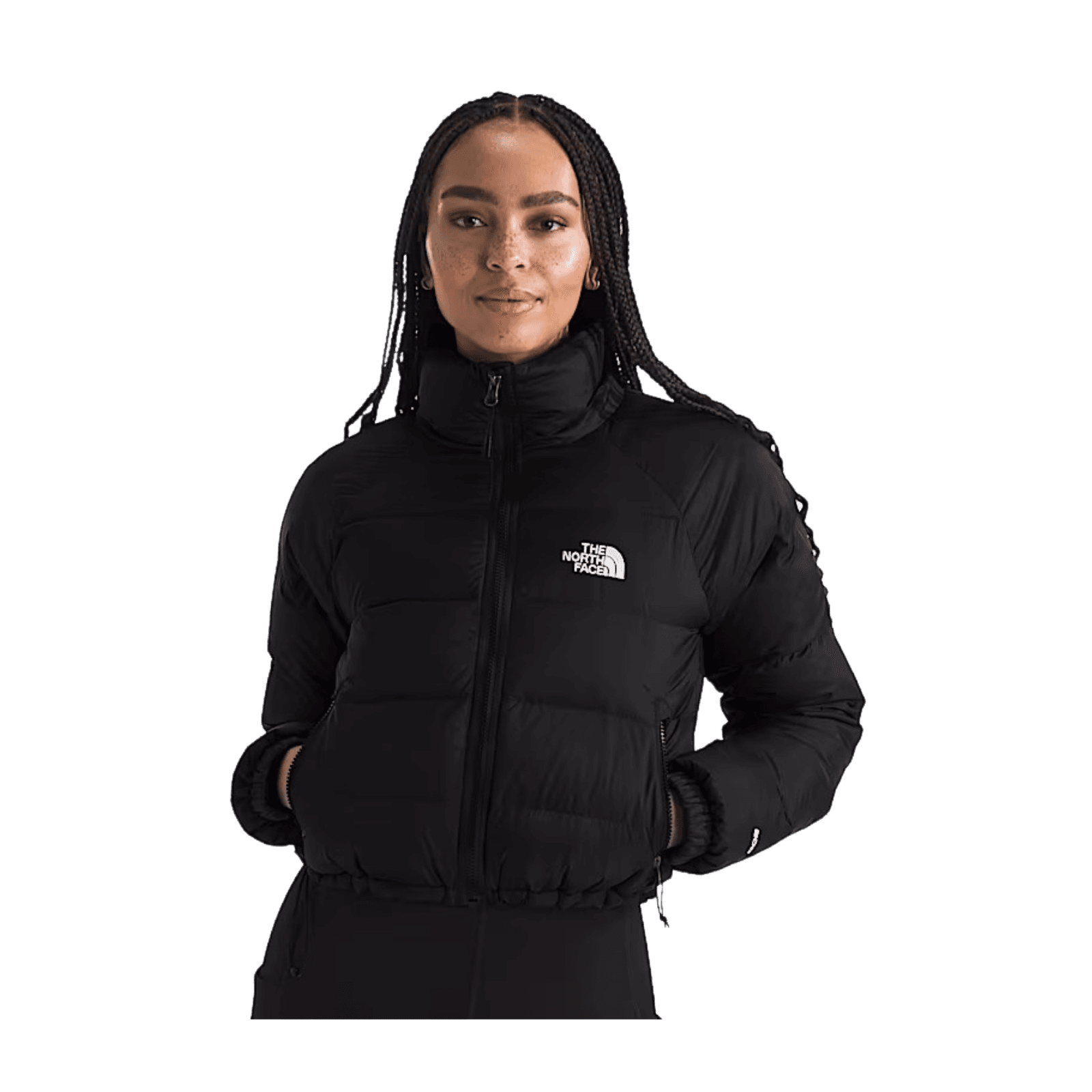
Even my jacket, I changed to that shiny material, because wool can snag your hair more easily. You just want to make the least amount of tension with any materials as possible. When you're doing cold capping with Penguin, you are not supposed to touch your hair at all. No hats, no headphones, no ear muffs, no scarves. I didn’t put sunglasses over my head.
Get A Bidet Attachment: Trust
Everyone needs to, right away, get a bidet attachment for their toilet; I used the Toto Washlet that also has a toilet seat. Get the one where there is warm water. Because you're gonna have so many terribly weird shits from all this stuff.

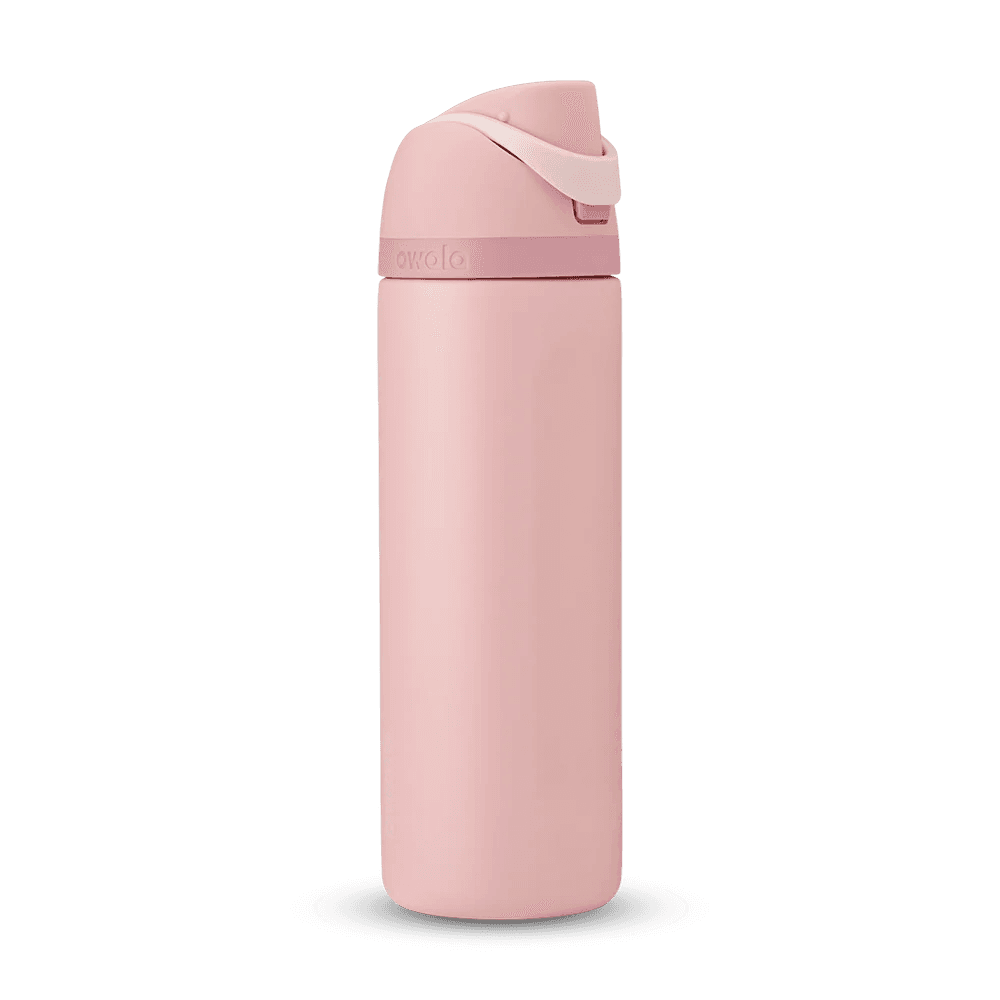
A Water Bottle Very Good for Swallowing Pills
You’re taking so many pills— and you’re not supposed to throw your head back to swallow, that makes it harder. So if you keep your head forward and then sip from an Owala bottle that makes it so much easier.
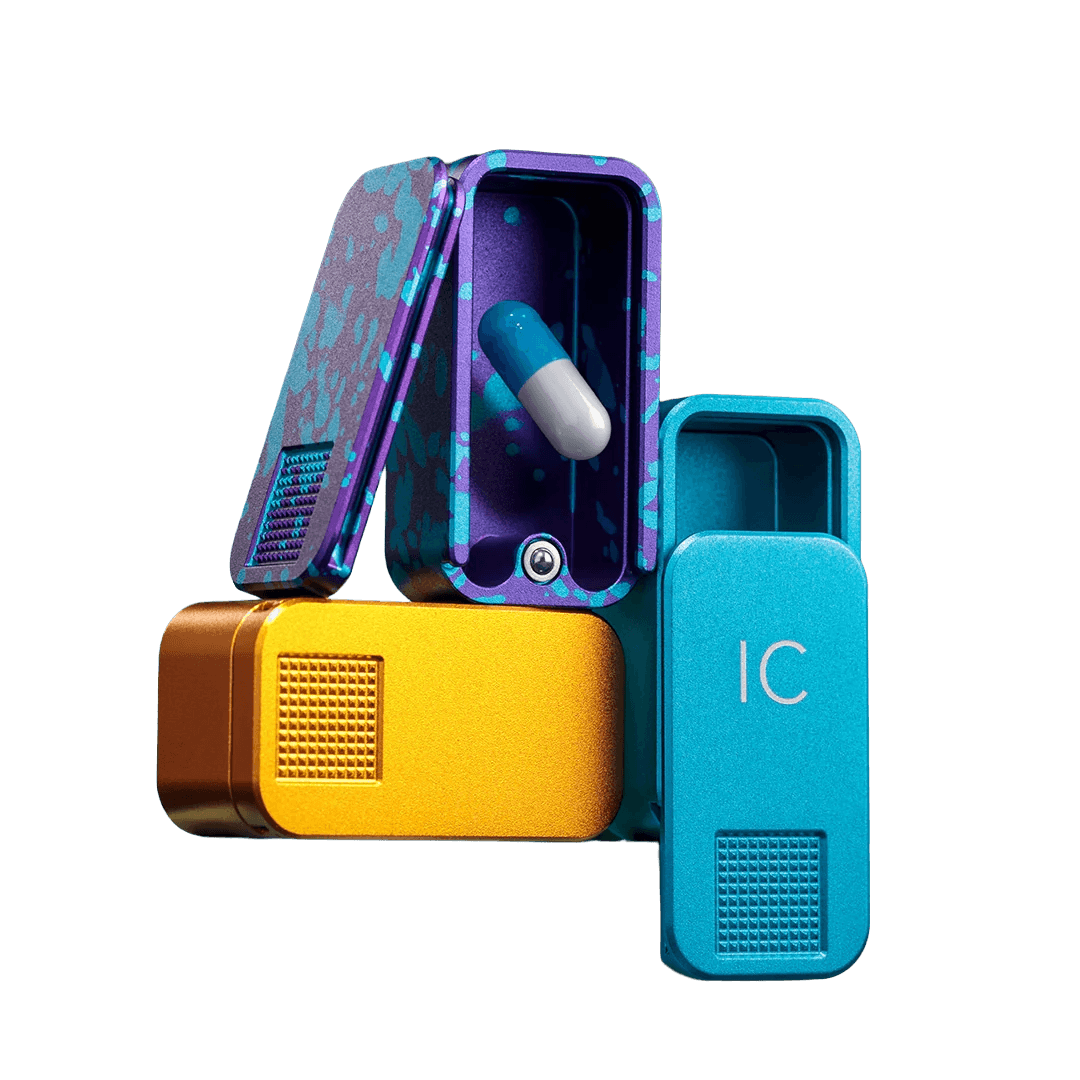
And A Customizable-Pill Case from Ikigai
These hold up the best, don’t open when traveling, and the little ones are great to keep on you everyday. You can also get them engraved.
Hair-Specific Items
Products for Gently Washing and Conditioning
First of all, because of your hair, you can't take a shower. I got a blow-up sink to wash my hair. I would lay down and wash my hair that way. If your hair is wet, then it's pulling itself down, so you want to avoid that.
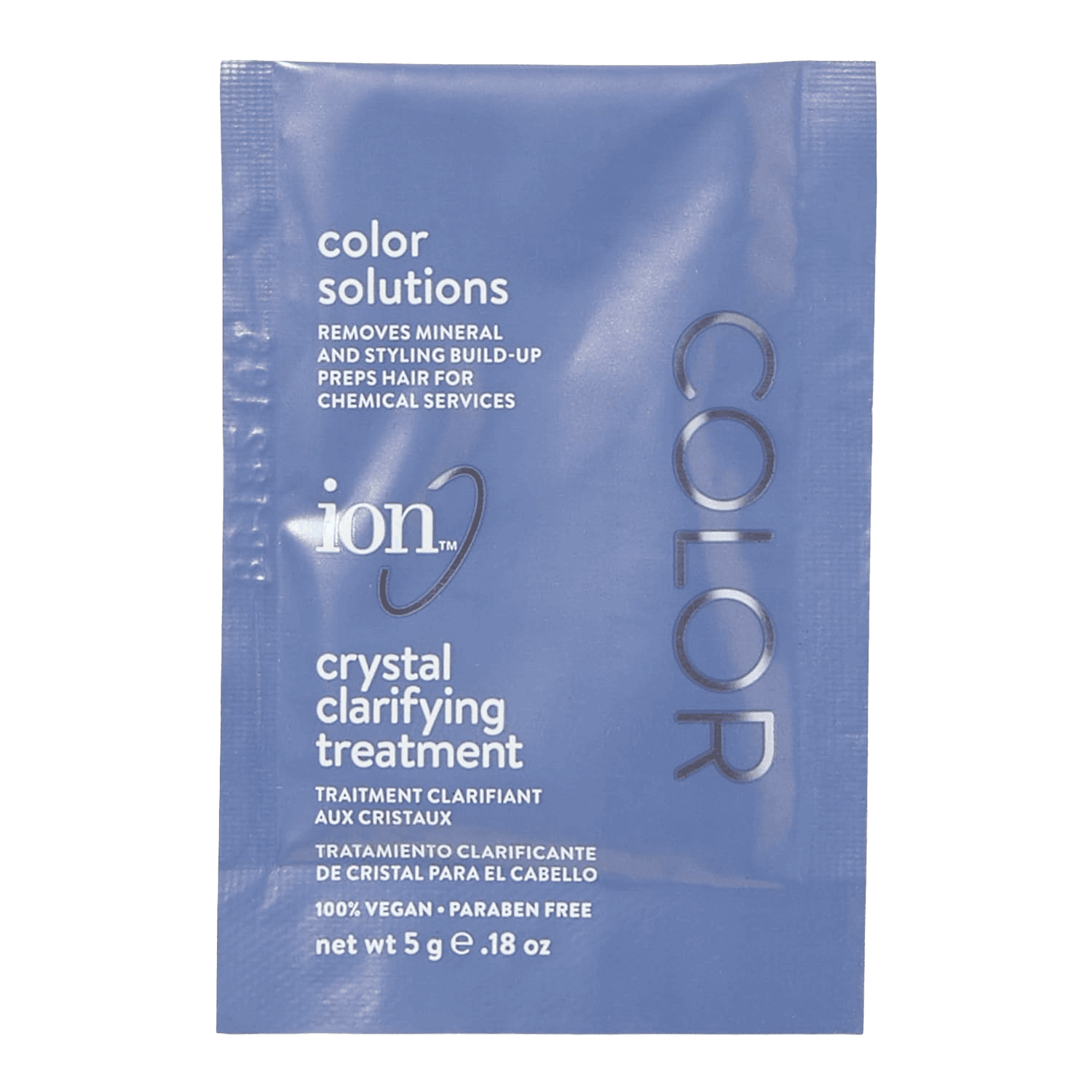
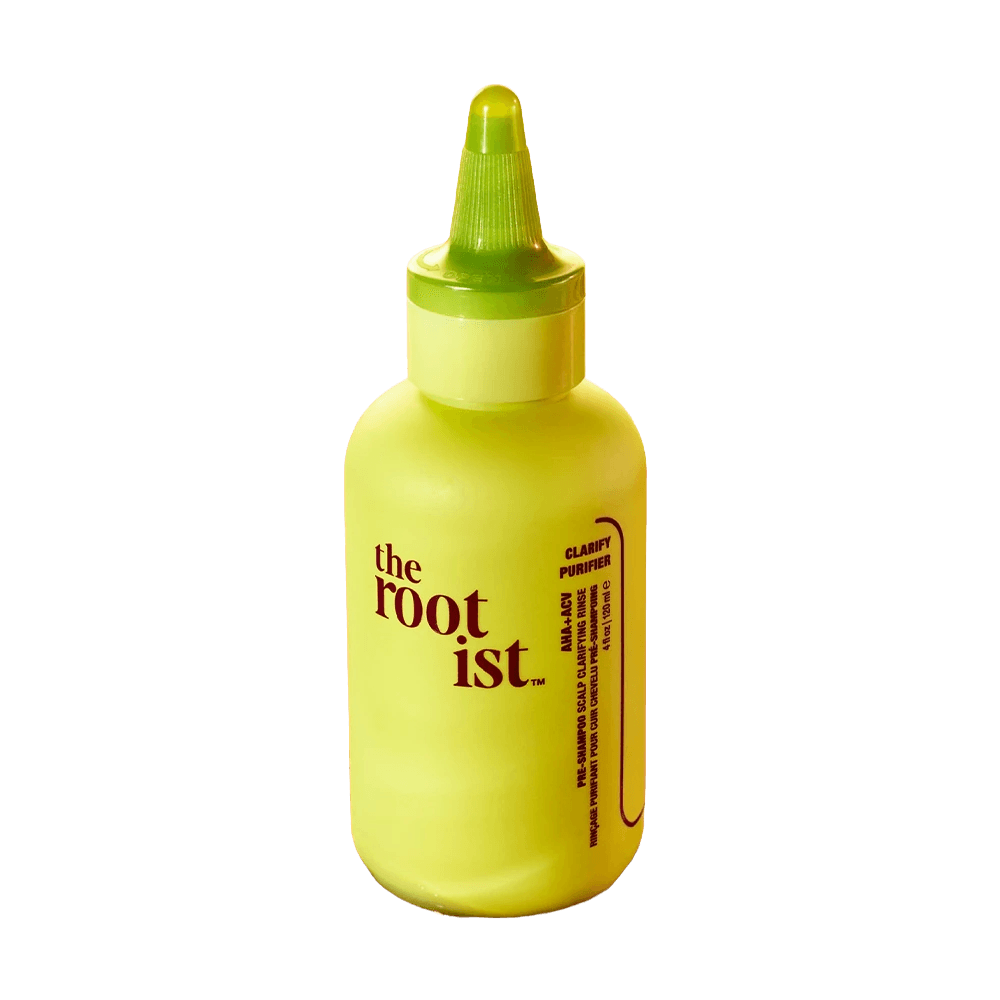
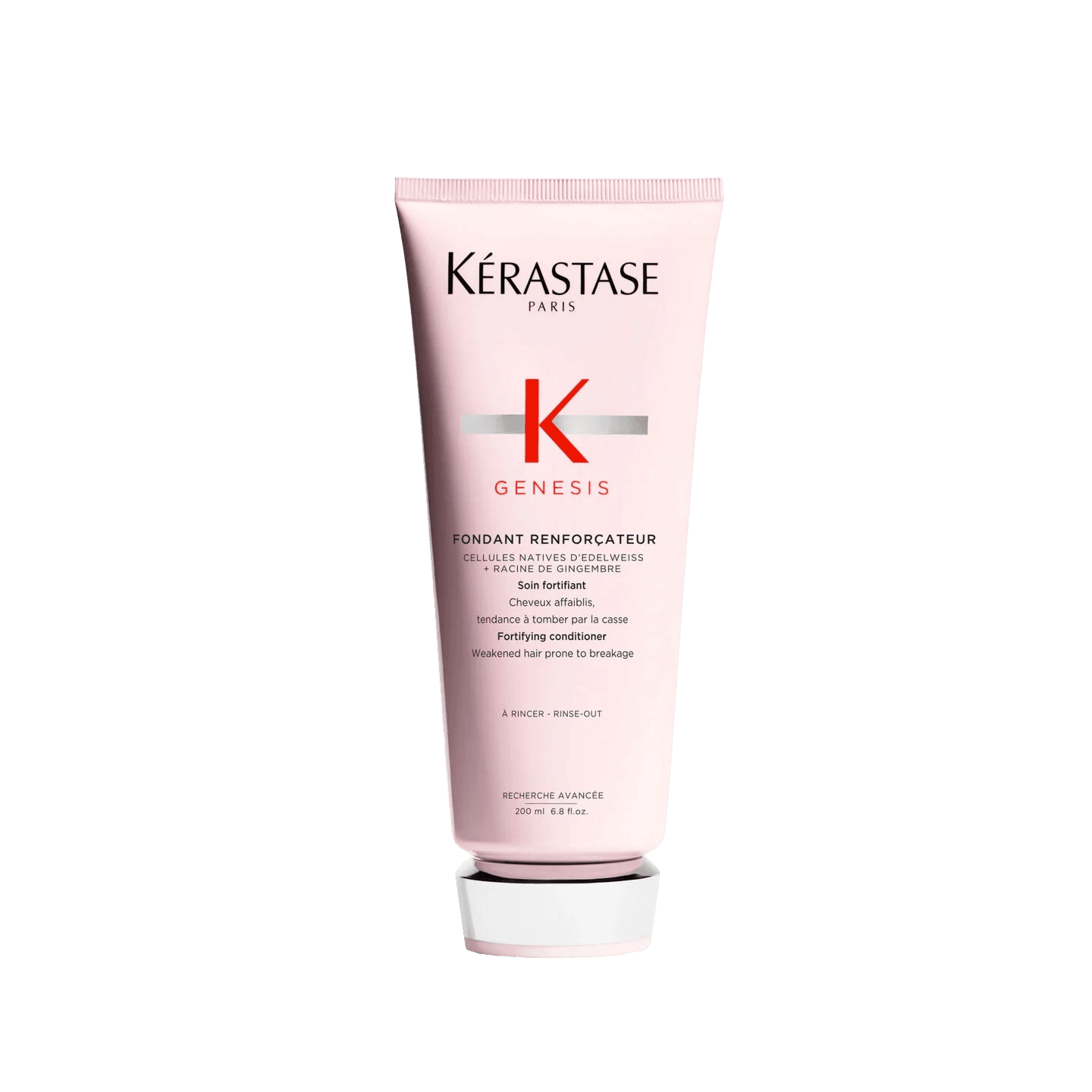
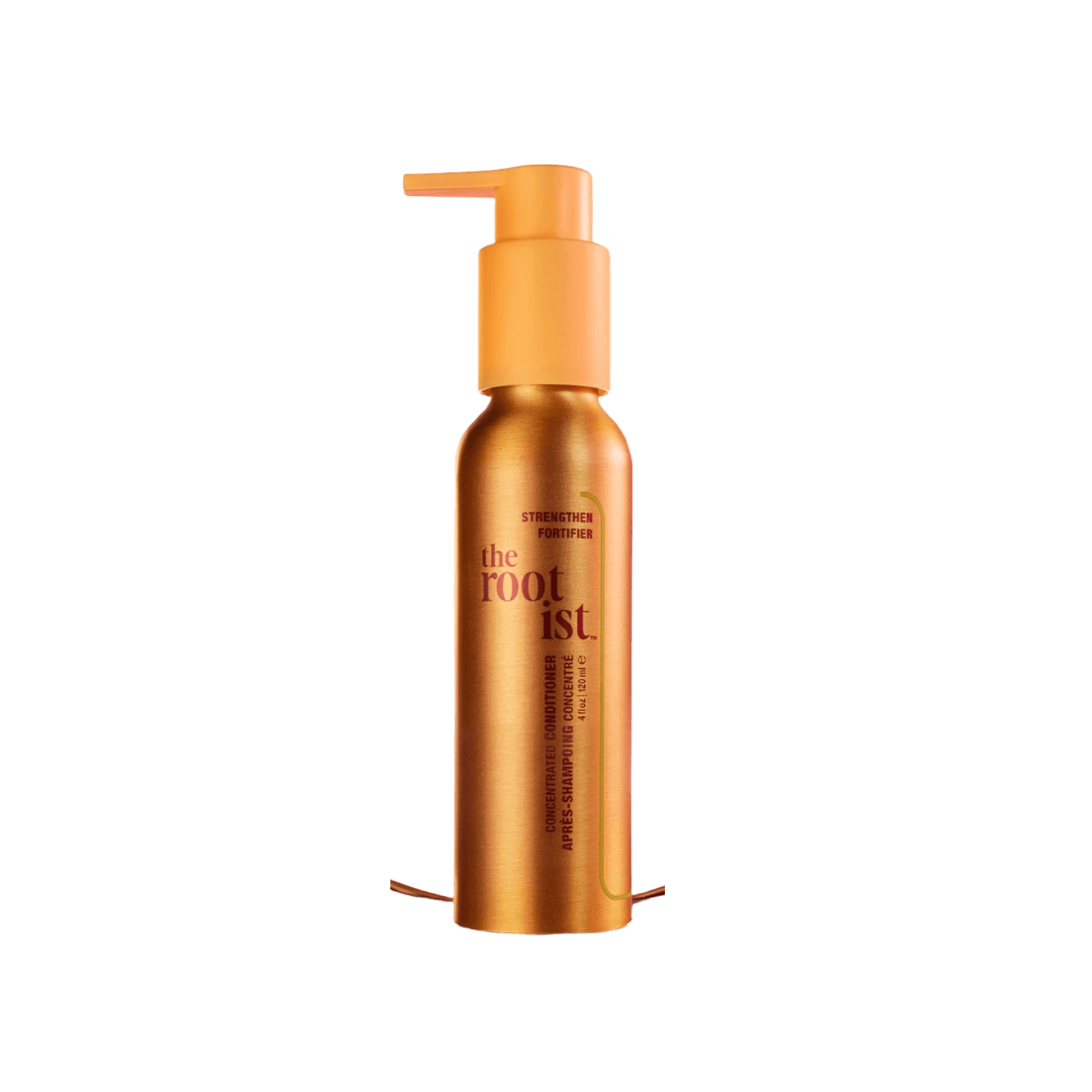
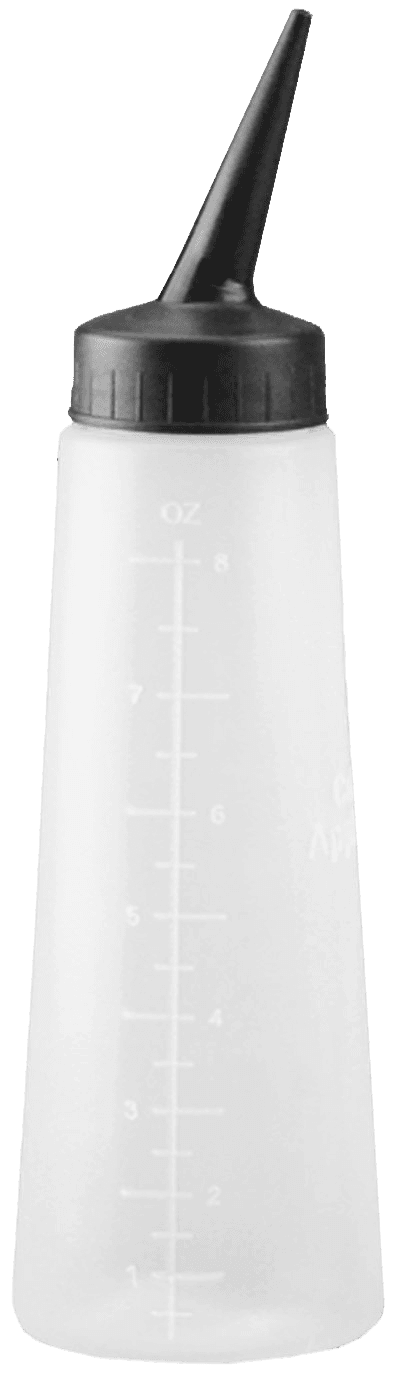
When I had to wash my hair, I did a very gentle, delicate approach. I used this ion packet. If I had build-up, which I did only a couple times, we would use Rootist scalp clarifying rinse and leave it on for ten minutes before washing. For shampoo, I’d use Kerstase’s repairing shampoo and their Nutri-Fortifiant shampoo. For conditioner, I’d use Kerastase’s strengthening conditioner or Shu Uemura’s extreme repair conditioner, or The Rootist’s concentrated conditioner. I’d get an empty applicator squeeze bottle that stylists use for coloring hair, and fill it with warm water to gently rinse out the product as my hair was soaking in the tub.




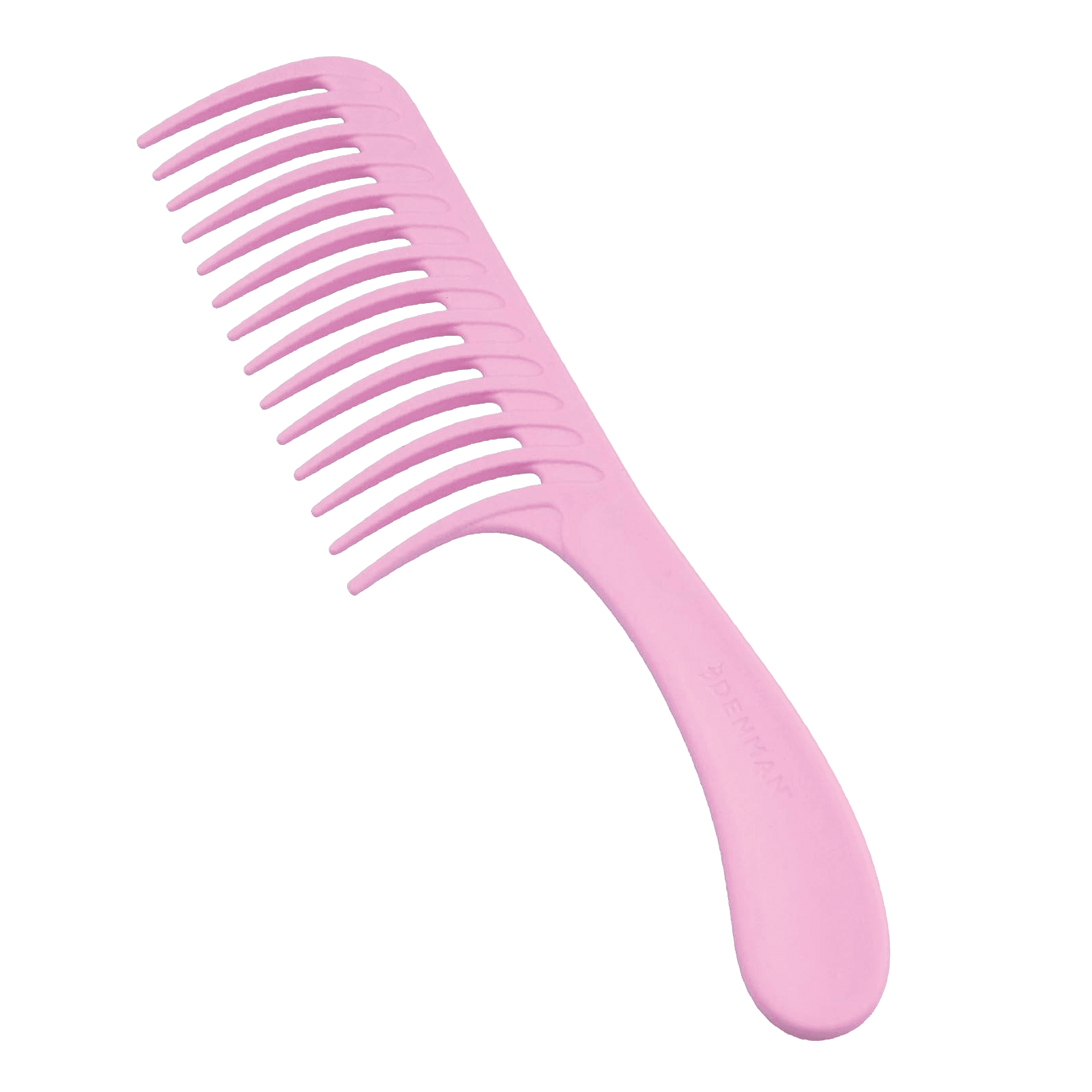
A Wide-Toothed Comb
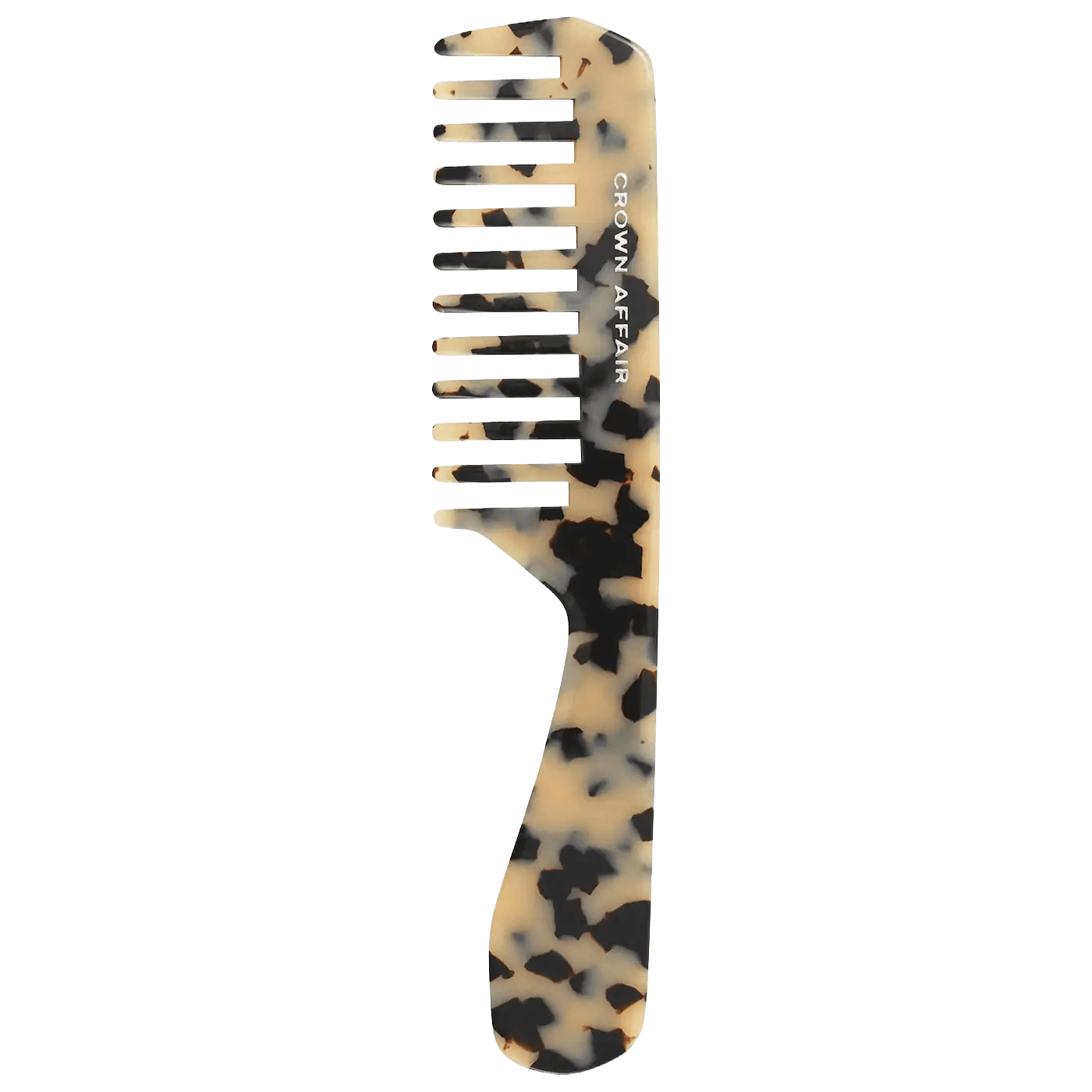
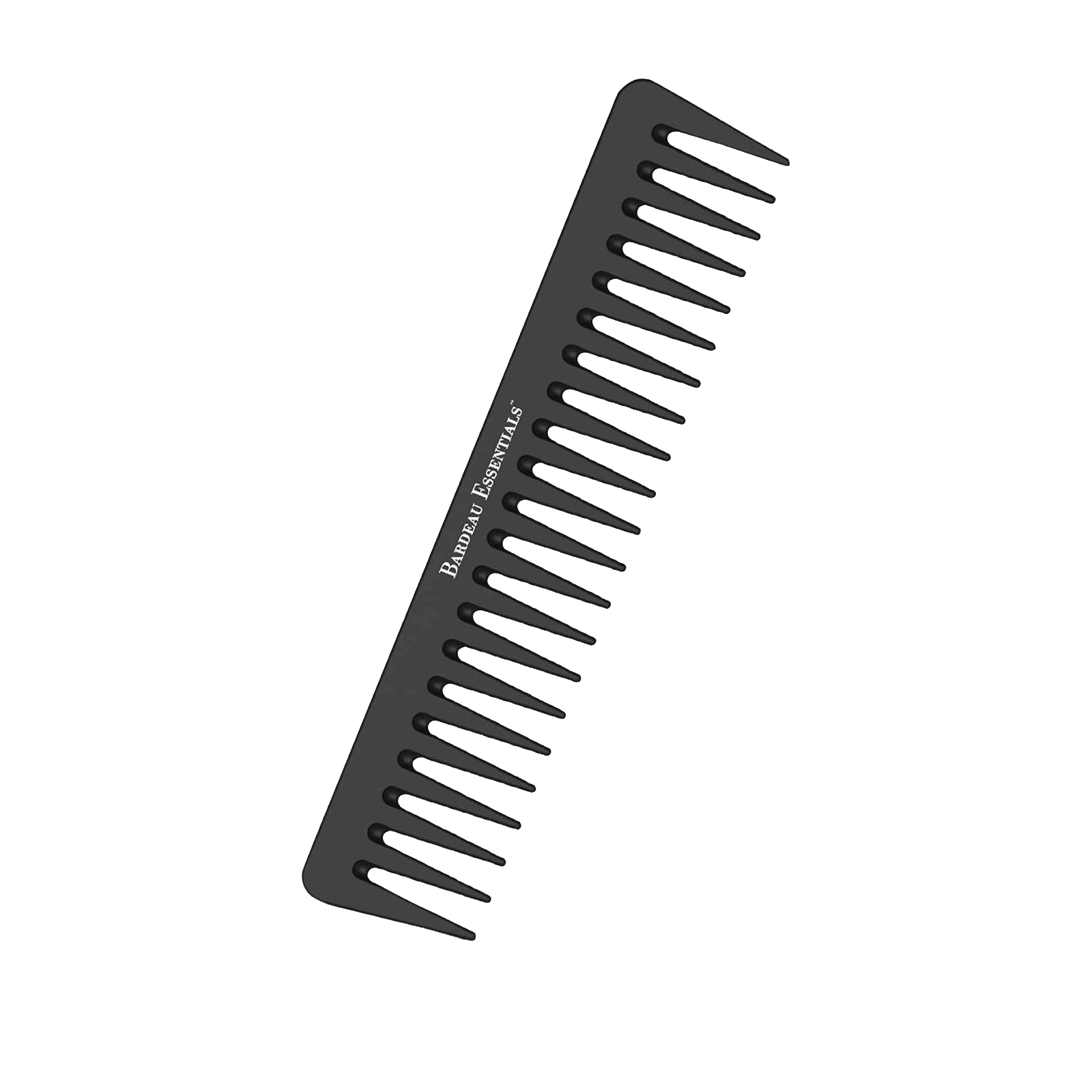
I used a few wide-tooth combs, including one with very wide teeth from Crown Affair, so it didn’t snag on hair. It helped detangle very gently. I also used The Rootist’s strengthening serum.

Gentle Drying and Finishing Touches
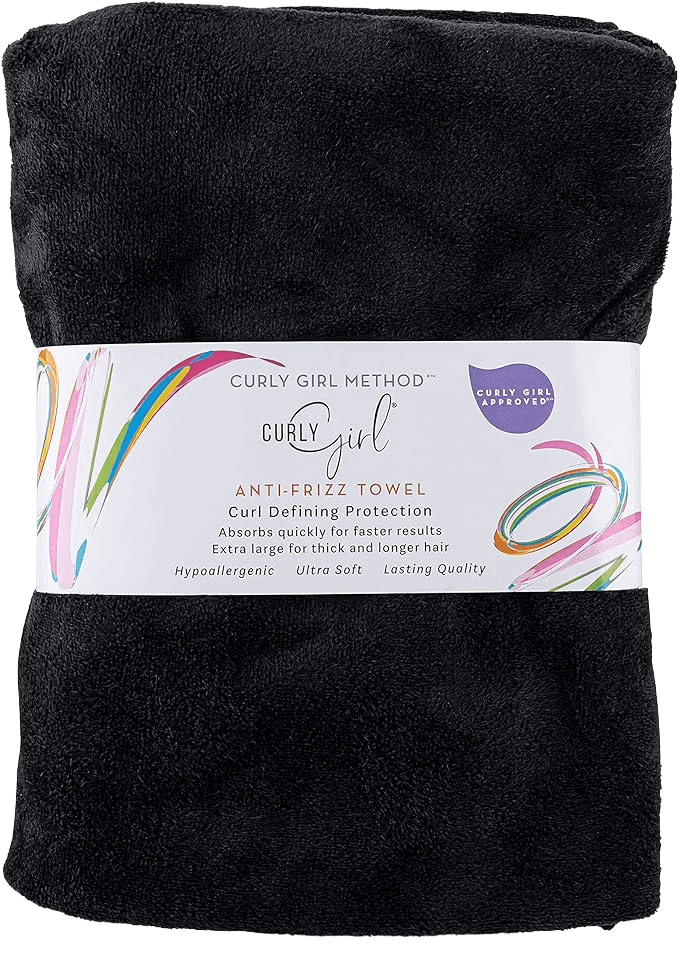
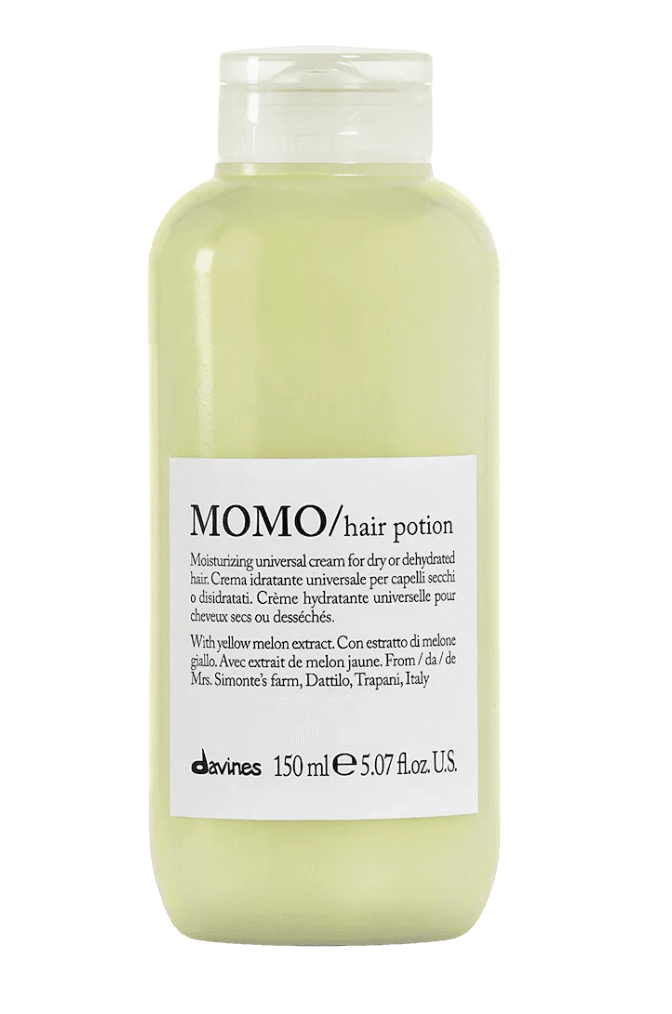
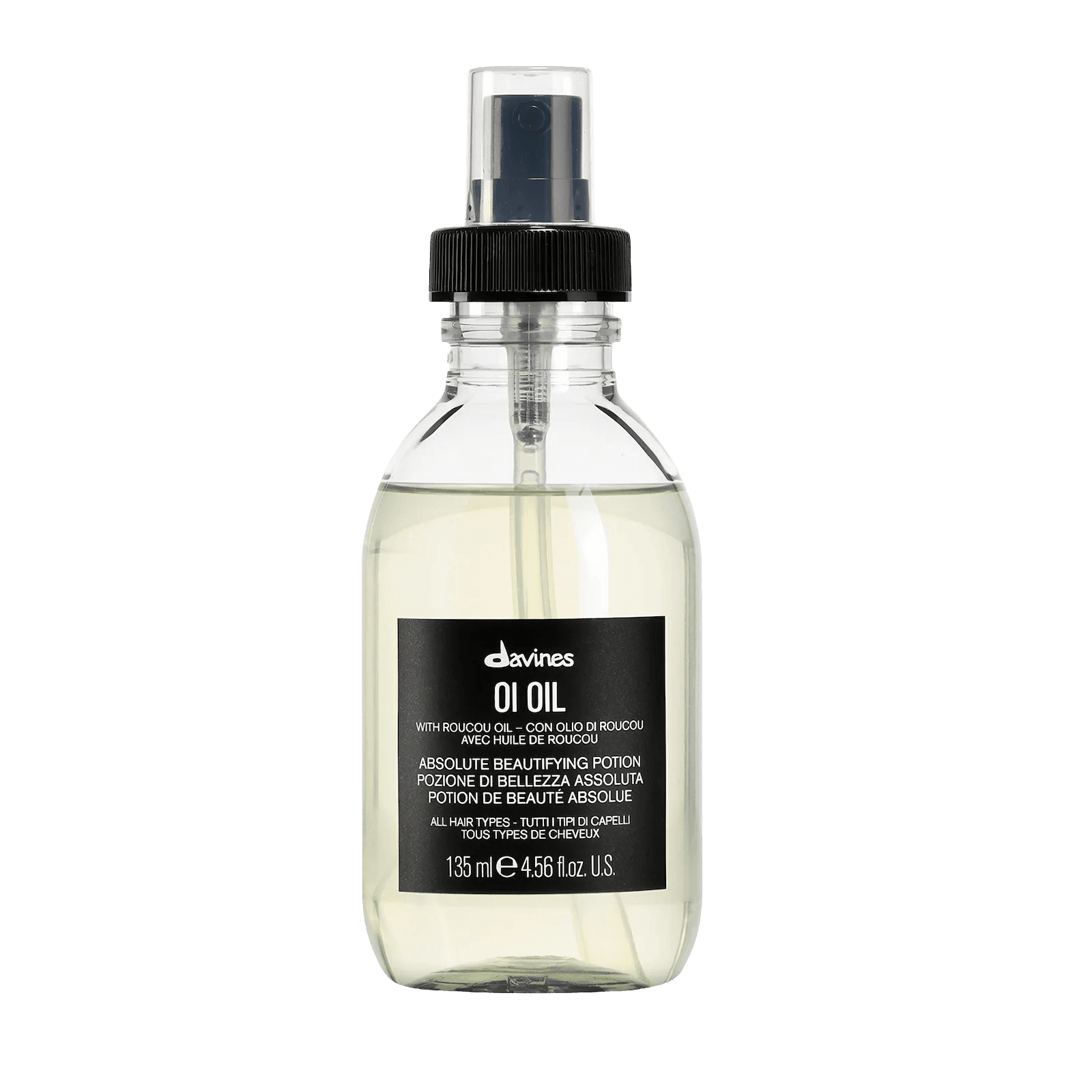
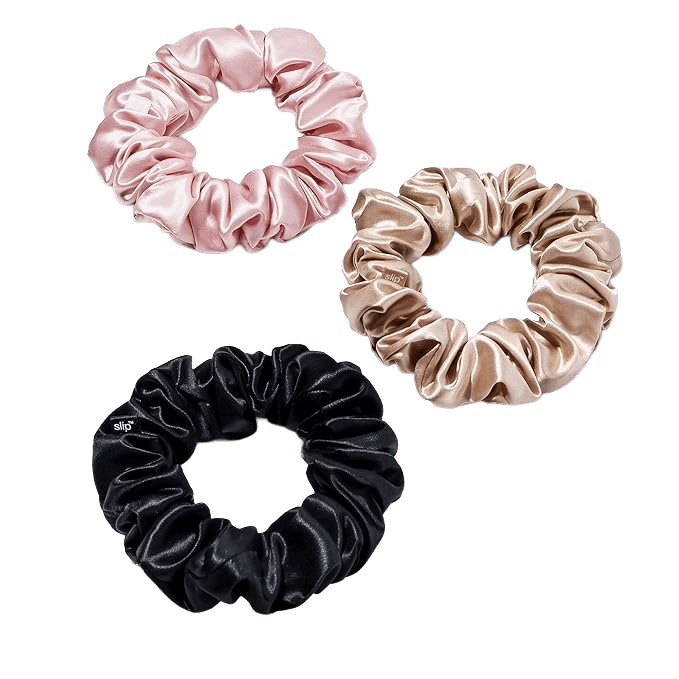
Then I’d let my hair air-dry with a microfiber towel over my shoulders. I’d put in Davine’s moisture lotion and Davine’s OI hair oil. Sometimes, we’d put my hair in loose braids and keep them in a large silk scrunchie; I used ones from Slip and Kitsch.

And After Chemo, a Hair-Stimulating Tool
I did a micro-needling stamp post-chemo. It would stimulate blood flow and encourage new growth. I got a PRP micro-needling facial and made sure they did over my eyebrows and behind my ears where I lost the most hair. [Editor’s note: this is something to check with your medical team about; there is some evidence that micro-needling can help with hair regrowth, but only for some types of hair loss.]
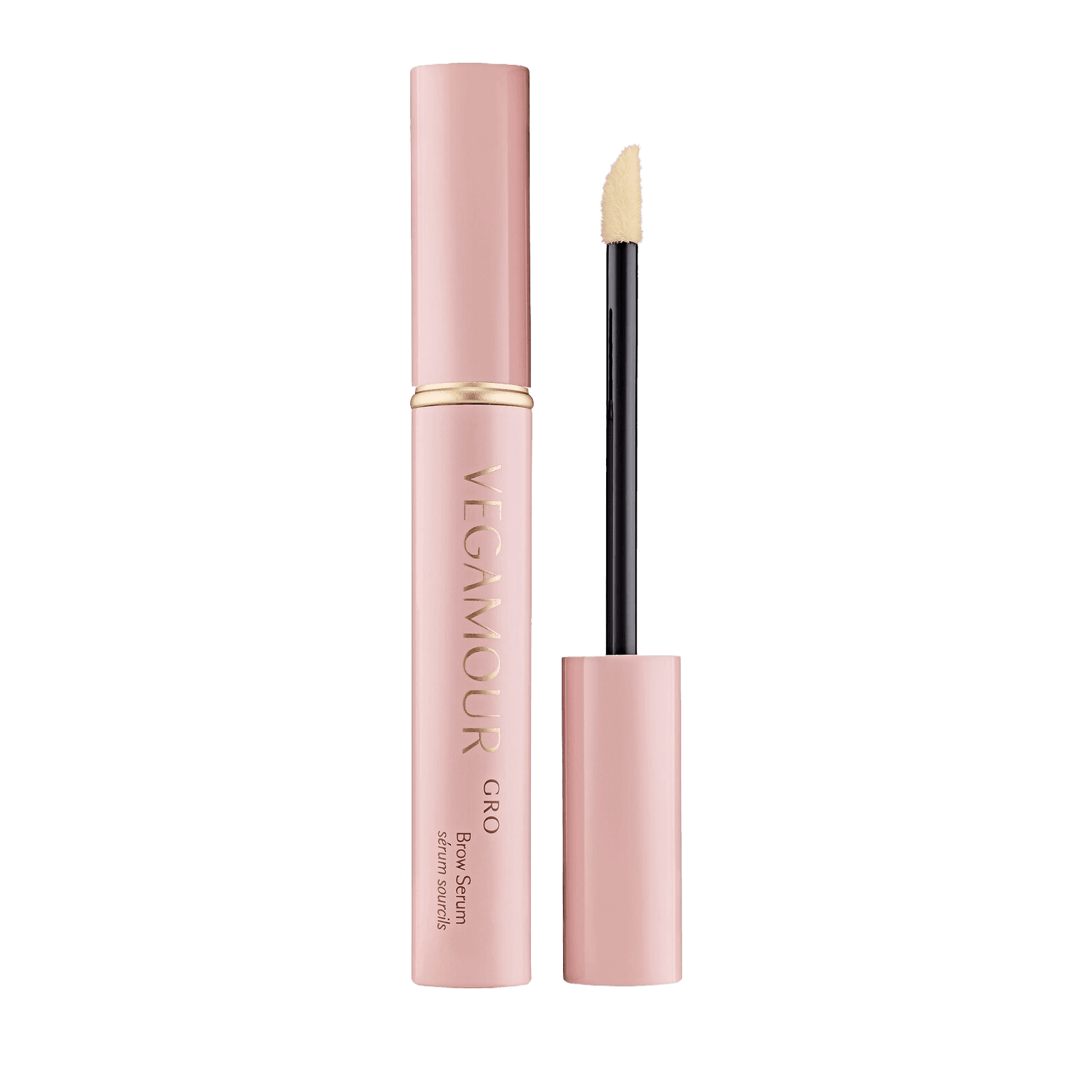
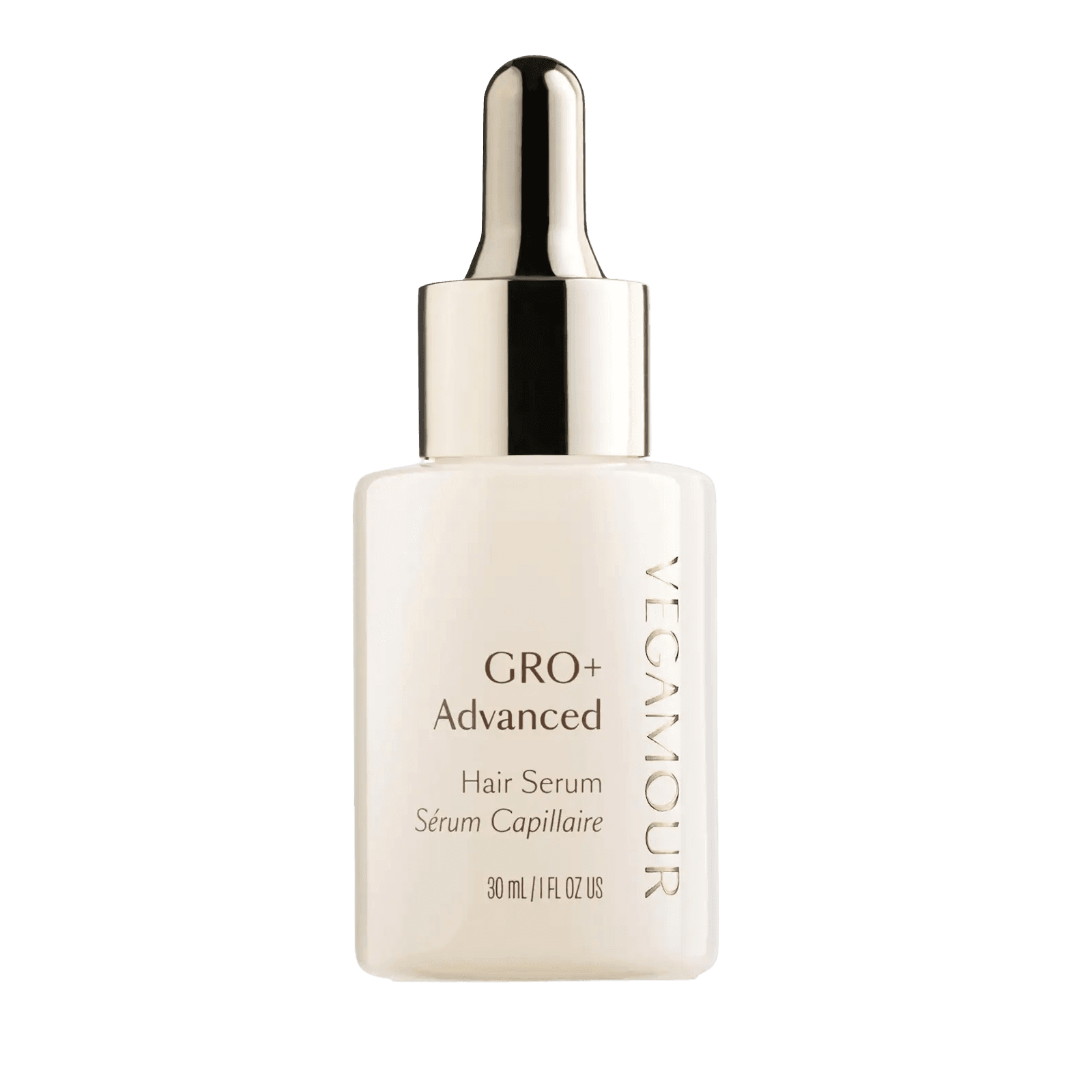
I also used Vegamour’s GRO Brow Serum and their GRO+ Advanced Hair Serum.

Some Things to Make You Feel Much Better
A Healing Mat and Red Light Therapy
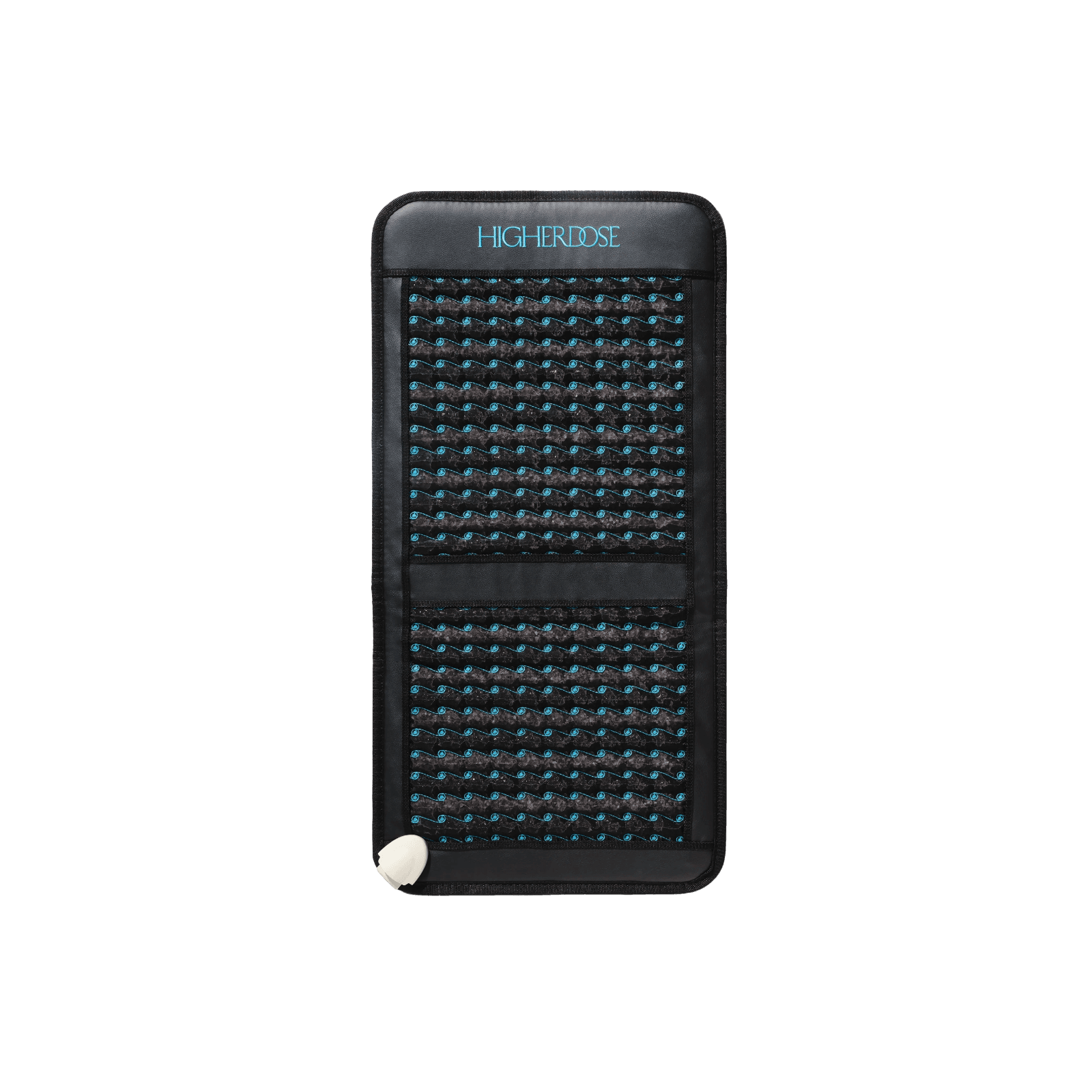
The first thing I recommend: everyone should buy the Higher Dose PEMF infrared mat, no matter what kind of cancer you have, no matter what it is. It helps your body, it helps your bones, it helps your sleep, it helps your inflammation.
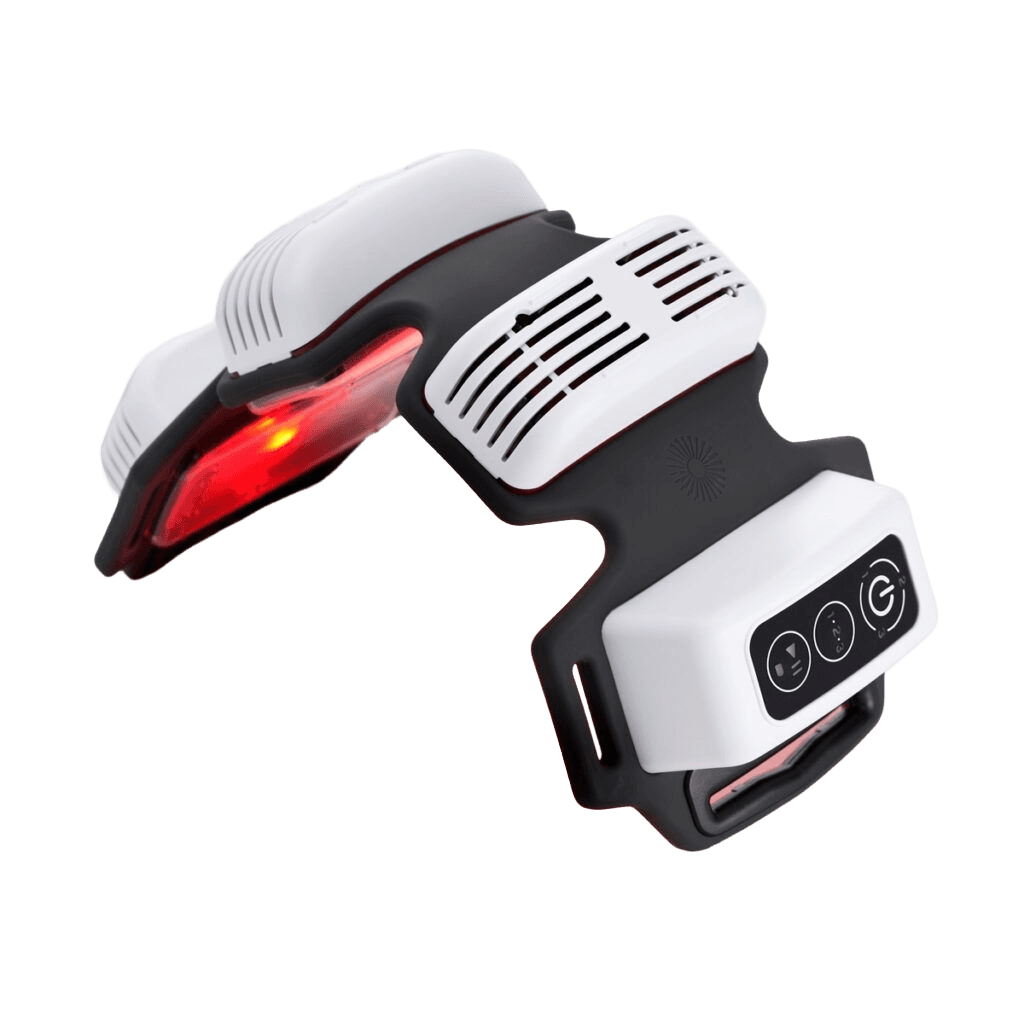
I would do red light therapy every day, as soon as I’m done with treatment. I did red light therapy on my whole body during chemo with Recharge wearable tools. I used red light therapy for my eyebrows and my head constantly. I used it on my scars. It helps with scars, it helps with stomach aches, everything.
Soothing Bath Salts
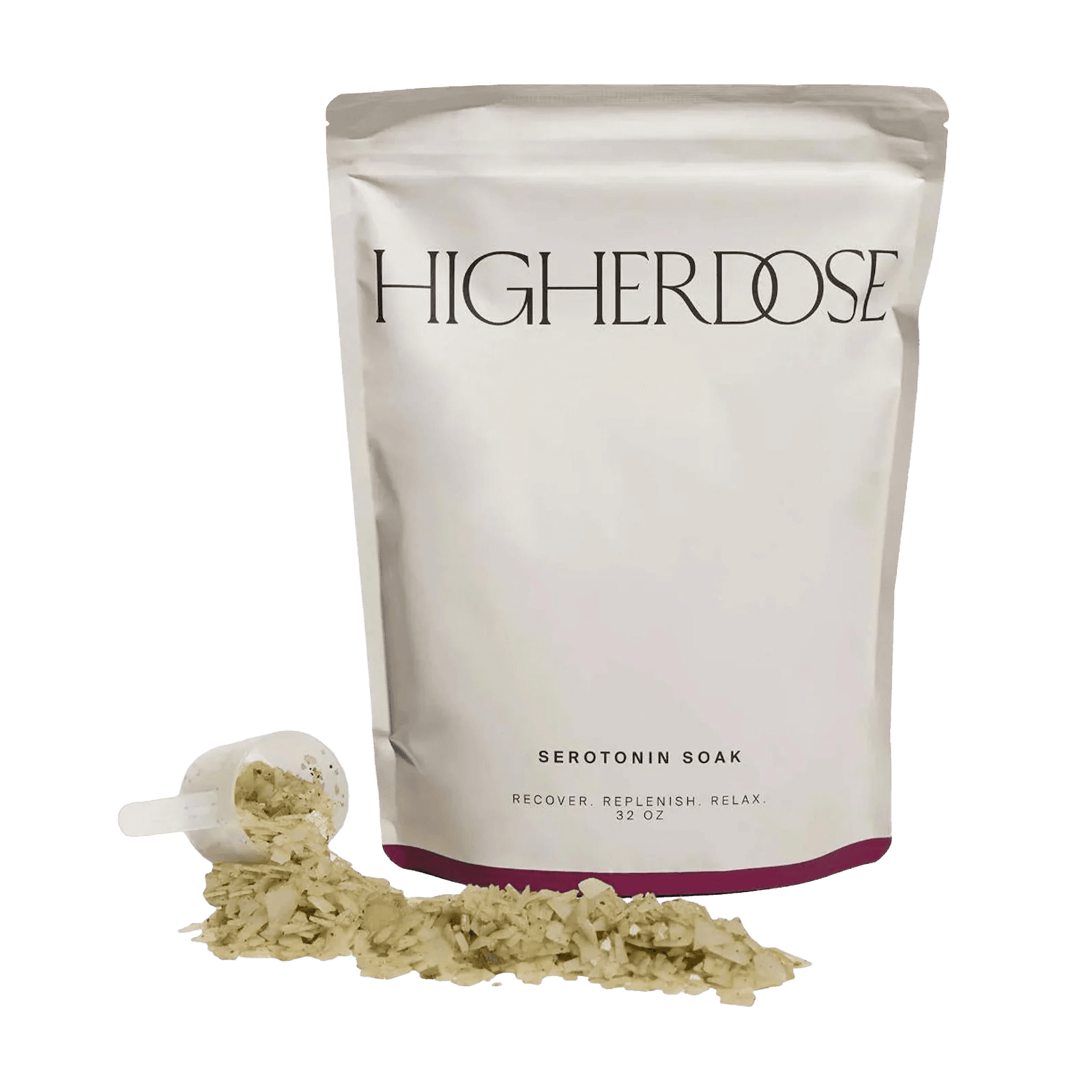
I also started taking baths, because I was so tired and didn’t want to stand for a shower. And then also, you feel awful, and your bones hurt, and your body hurts, and you’re nauseous and everything. During the bath, for my body, I would use Higher Dose salts.
Facials and Other Treatments (from Someone Else)
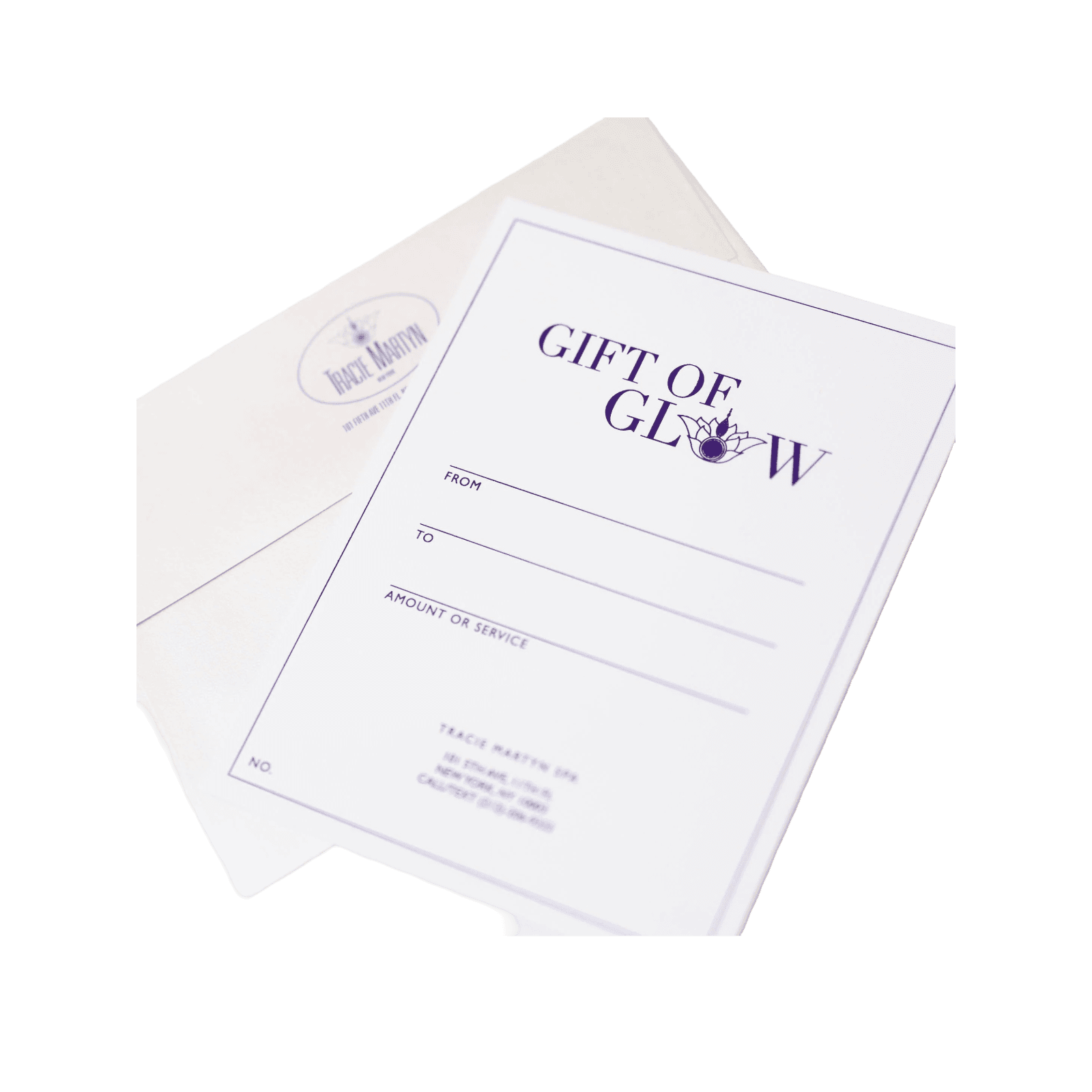
Everyone's gonna buy socks and soup and robes and blankets, but get a gift certificate for facials, because they're expensive, and you would want to get them as much as you can during treatment, and right before chemo. Tracie Martyn’s is good. And Remedy Place is a med-spa that does red light, lymphatic compression suits, which I did during treatment.
[Editor’s note: it’s good practice to always check with your care team about spa treatments before, during, and after treatment.]