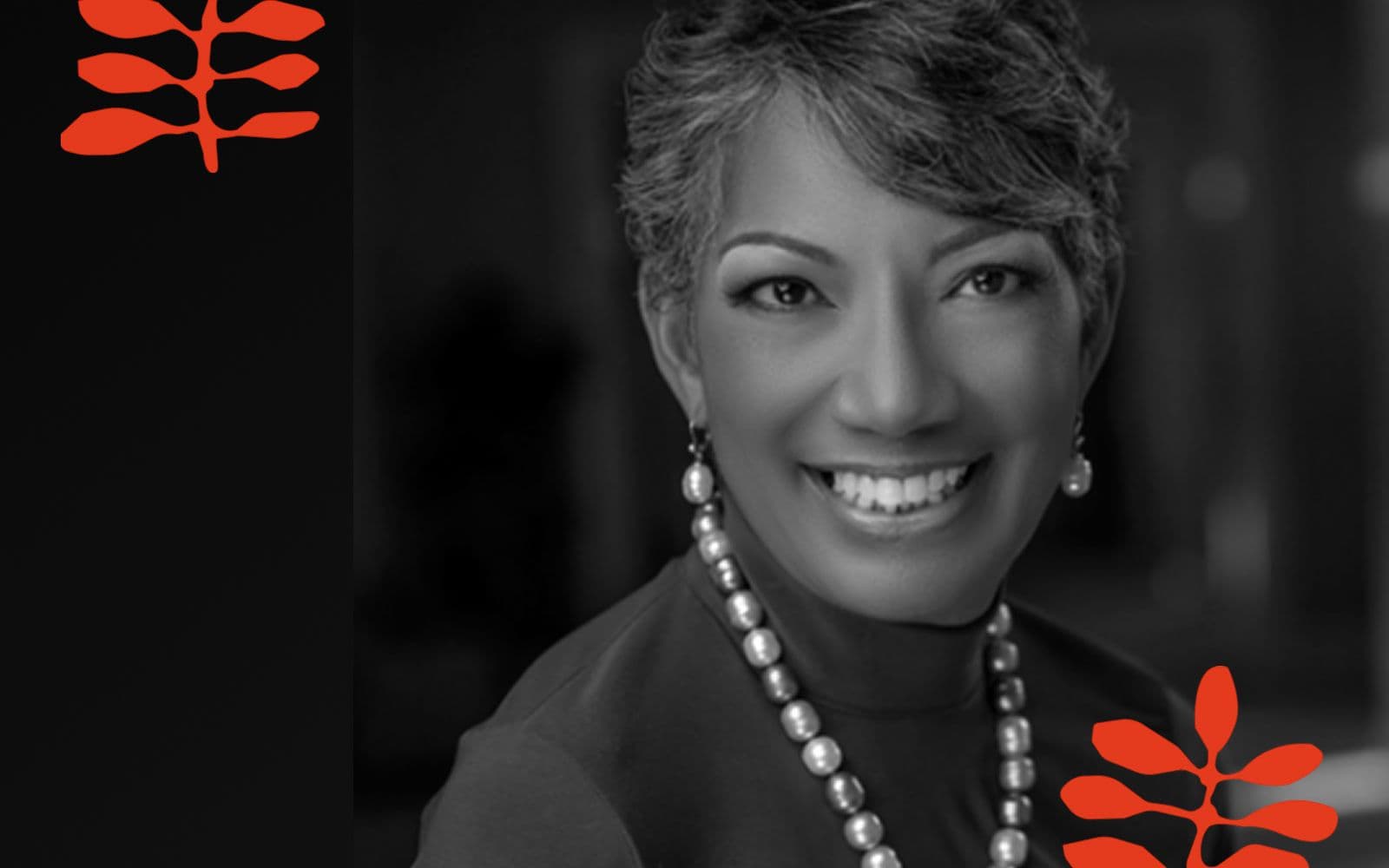
After finishing treatment for breast cancer in her mid-30s, Marissa Thomas transformed her personal upheaval into a collective purpose. Her sense of isolation after not finding a community that looked like her, a younger Black woman with cancer, became the catalyst for her to co-found For the Breast of Us in 2019. For the Breast of Us started as a blog sharing women’s experiences with breast cancer– and over the past six years, it’s transformed into a full-fledged foundation that offers educational resources, distributes financial assistance and arranges in-person communities for women of color with breast cancer. For the Breast of Us speaks to all the complexities of diagnosis, treatment, and the life that happens around all these things.
In her conversation with Jadey, Marissa Thomas shares about biases she’d like to shift, how to frame conversations with your doctor so that you get the answers you deserve, and the importance of finding your people.
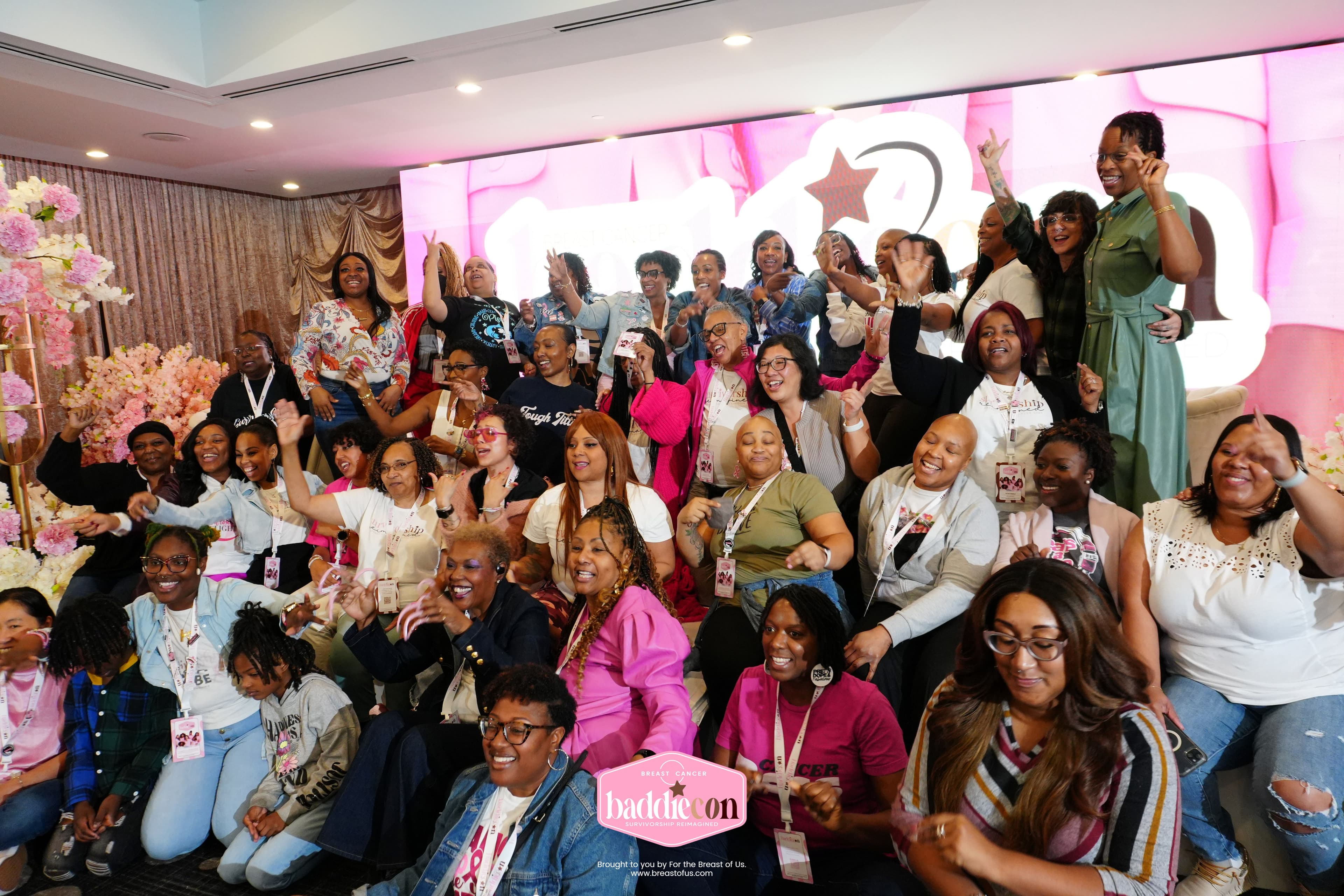
A group at BaddieCon; image courtesy of For the Breast of Us.
Q:
First, would you just describe your experience and your work with the For the Breast of Us?
A:
I am a breast cancer survivor. I was diagnosed at 35. I was looking for a community of women of color who have been impacted by breast cancer, like myself, and I didn't see anybody. And so that's why For the Breast of Us was started. We originally started out as a blogging site so that we could help elevate the stories of women of color who have been impacted by breast cancer. Over the past six years, we have completely grown. We still have the blogging site, but we also have a podcast called Baddie 2 Baddie. We do virtual meetups as well as in-person meetups—and we have a really big patient advocate experience event that we do once a year called Breast Cancer BaddieCon.
Q:
For the Breast of Us does lots of education work. What are some of the main things that your program wants to express to Black women and women of color about breast cancer?
A:
We really focus on survivorship here at For the Breast of Us. And we say that a woman enters survivorship as soon as she's diagnosed—not even when she's diagnosed, even if she has predisposition to possibly being diagnosed with breast cancer. We try to encompass everybody in our community. We know all of the stats out there: one in eight women will be diagnosed with breast cancer in their lifetime. And Black women have a 40% higher mortality rate [editor’s note: and among women under 50, the rate is even higher]—and they’re diagnosed younger and have a higher mortality rate than our white counterparts.
Our job here at For the Breast of Us is to give Black women tools and resources to help them thrive through survivorship. When I was diagnosed at the end of 2015 I didn't know about any of these resources or tools. If they were out there, I had no idea about them. Some of them are just new, because healthcare has expanded over the past nine to ten years. So again, I feel like it's my job to make sure that we get these resources and tools into the hands of women of color, so then that way we can hopefully lower some of these disparities. Knowledge is power. It's important women of color know these things, and, that way, they can guide their treatment and their lives.
Q:
What are some examples of the resources and tools you connect people to?
A:
Any type of financial tools. We do financial scholarships. Some of our community partners have a monthly financial scholarship that they give out to thrivers and survivors.
We make sure that we let them know about different types of treatment options, whether that's integrative treatment, like massage or acupuncture and knowing that [you] can combine these two with conventional treatment.
We also share some baseline knowledge, like how family history and genetics [factor into risk]. Have you even seen a genetic counselor? Do you know what that is? Do you know what genetic testing is? Something that's really hot on the market right now is biomarker testing. Do you know what that is? Do you know the different types and the different types of companies that are out there that are offering those things?
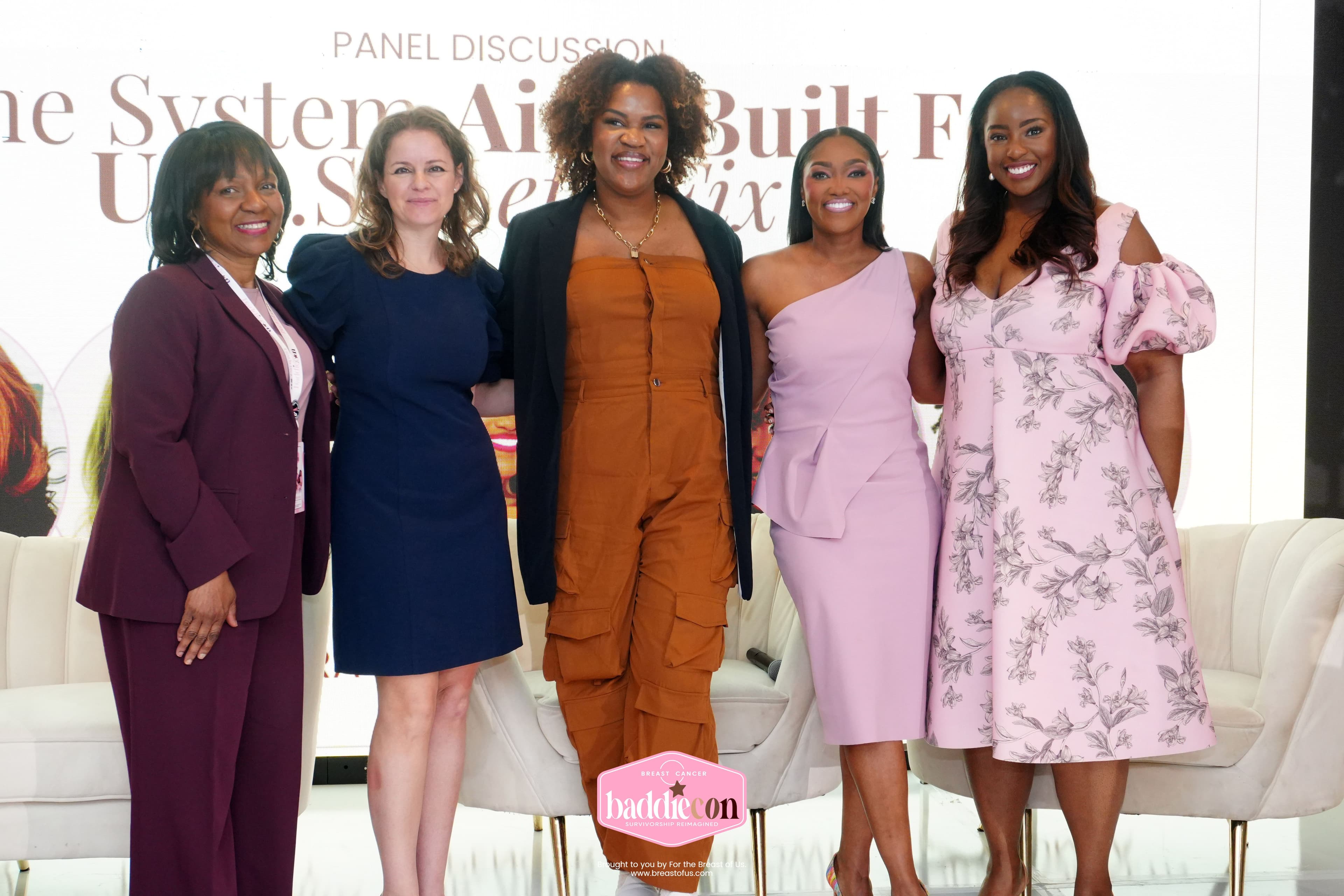
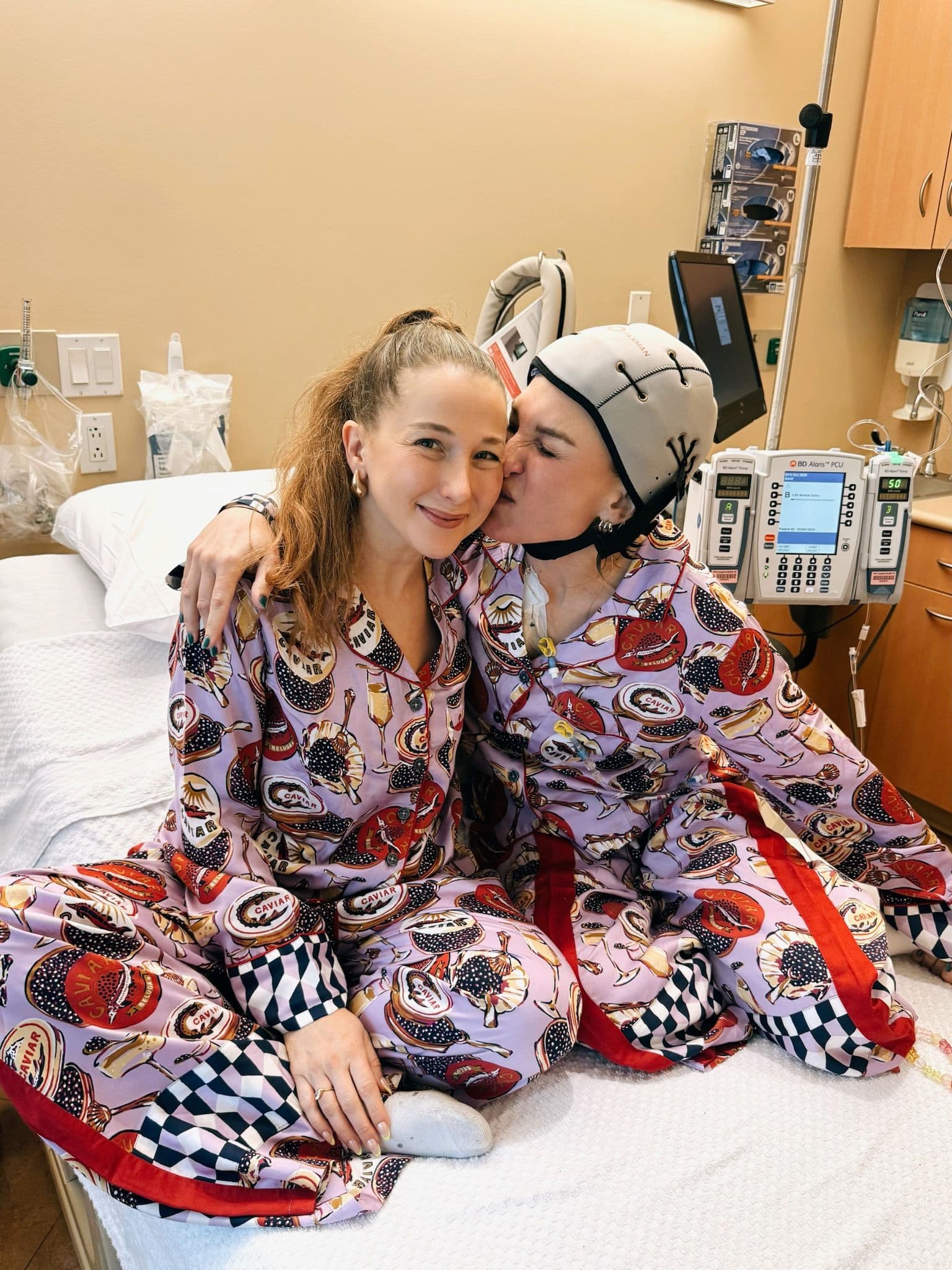
Image courtesy of For the Breast of Us.
Q:
You’ve talked about founding For the Breast of Us because you were looking for a community of women of color impacted by breast cancer and that wasn’t there when you were looking. Were there other gaps, either in care or information or representation, that you also wanted to address in your work there?
A:
I wanted to change the preconceived notion or bias that medical providers or people in the healthcare landscape have. I have a background in healthcare and I've worked in healthcare for about 20 years. I started out in healthcare as a medical assistant, and then my career just expanded from there. My last job, and it was working as a program manager for the inflammatory bowel disease program at the University of Washington, and there’s where I got my bachelor's degree in healthcare administration.
We all come with our own frequency biases or notions—and so we just want to change the way people think. One of the things that we noticed is a complete myth about clinical trials and research—and Black and Brown women [that they don't want to participate in clinical trials]. I was talking to a researcher, and she said, the reason why it's not offered to us is because we don't want to participate. We debunk that myth.
One of my biggest things, especially coming from the healthcare world, is that people should be given all the knowledge upfront. [This includes knowing] what their options are— whether you, as the provider, feel like that [could be] scary [information for them]. That's not your job and you can't make that decision for people. I think you should give them as much information as possible to make sure that they understand, so they can digest it. And then [the provider can] help them on their path to make the correct decision. It's shared decision-making. That’s something a lot of people talk about, but when you dive deep down into healthcare, it's not necessarily happening.
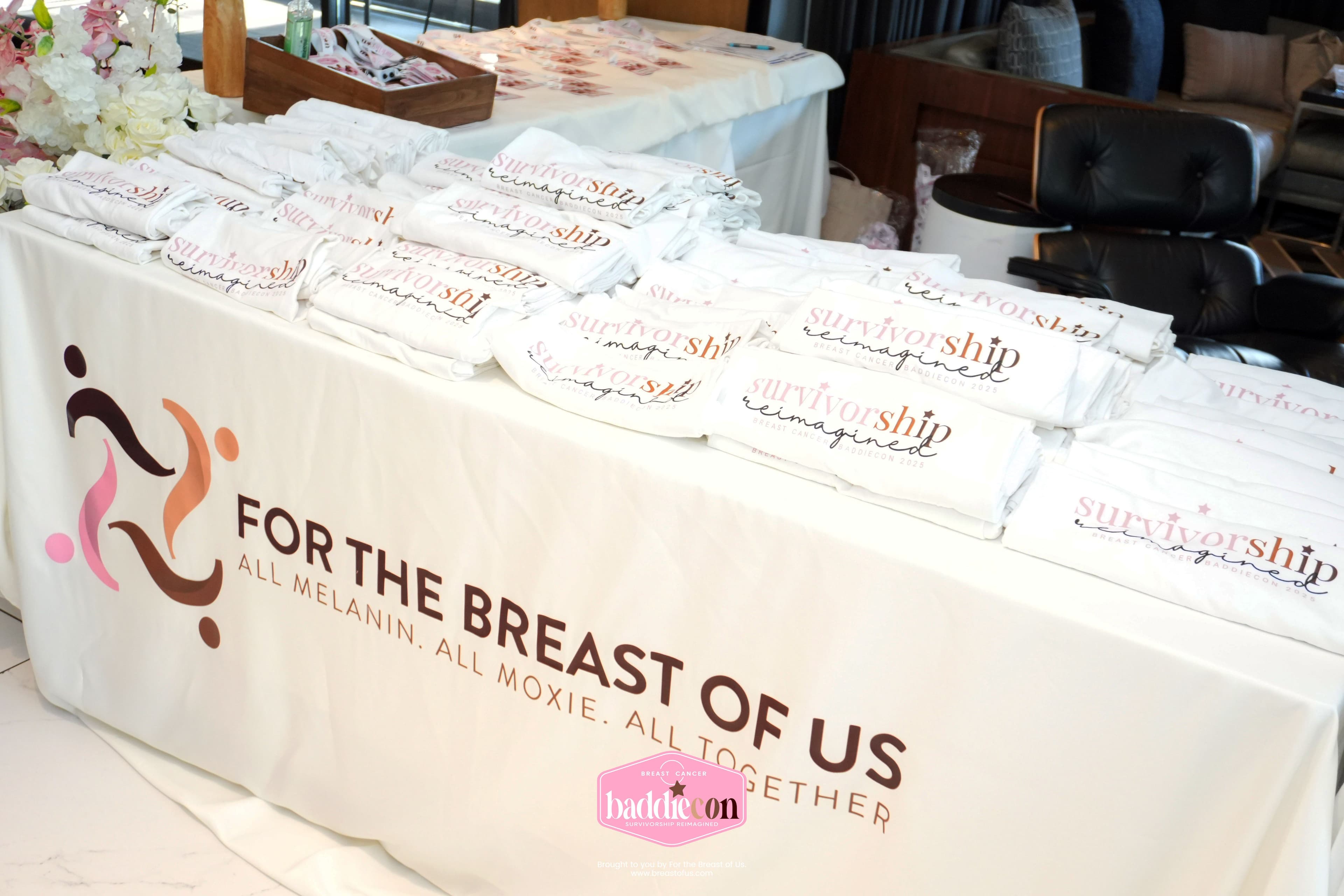
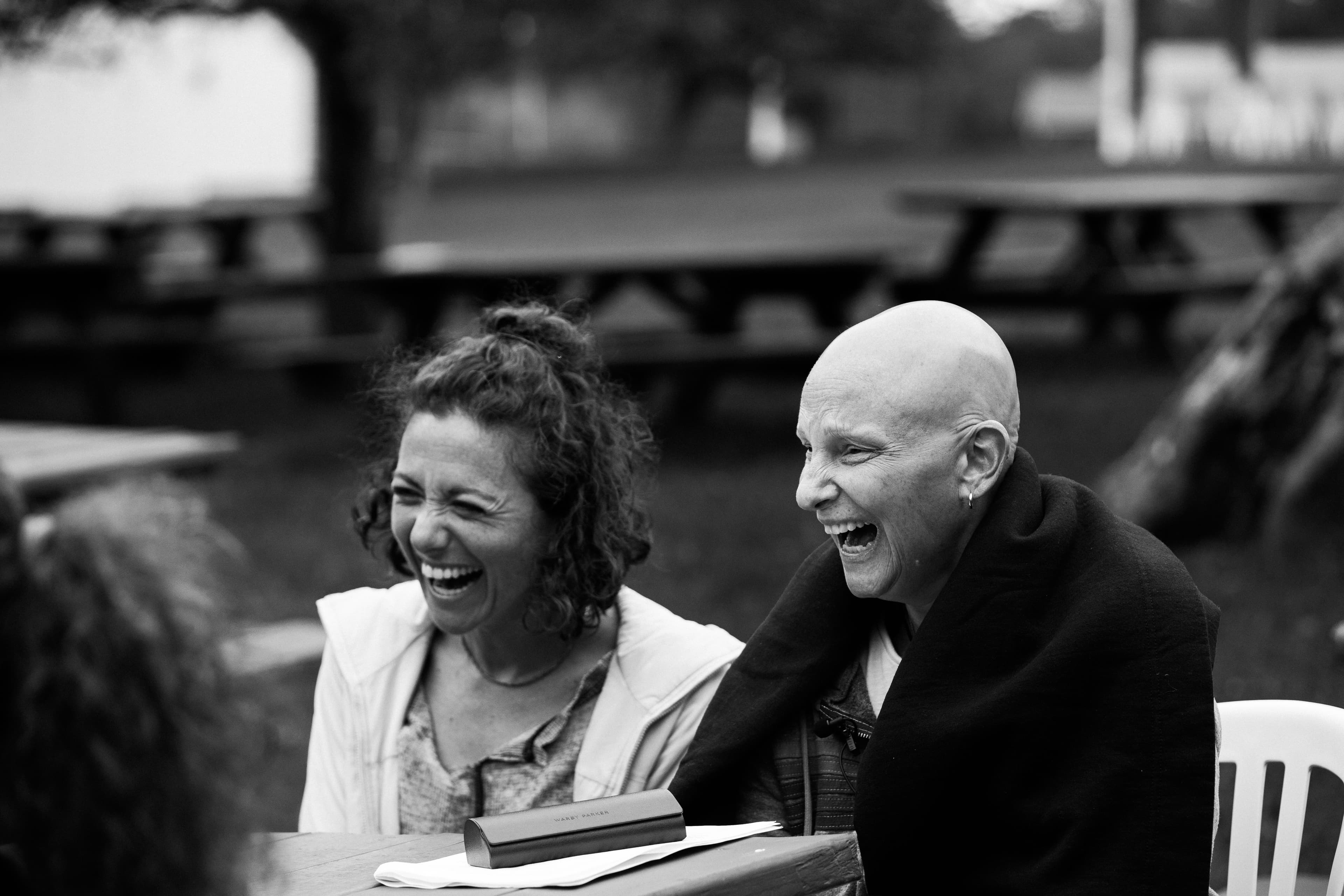
Image courtesy of For the Breast of Us.
Q:
When did you start to build For The Breast of Us?
A:
I was slow to do it. I was angry about my diagnosis. I slipped into a bit of depression, and so I really didn't want to get close to a lot of people, because of that. One of the things that’s funny is I always said, ‘Well, as soon as I'm done with this, I don't want to have anything to do with cancer.’ And now, I’m completely enthralled in it, which is hilarious.
I went through treatment in 2016. Instagram was just picking up some and a handful of people were doing advocacy on social media. I was searching for information and asking questions. I really didn't want to do the in-person groups, because nobody in those groups looked like me, or they were older.
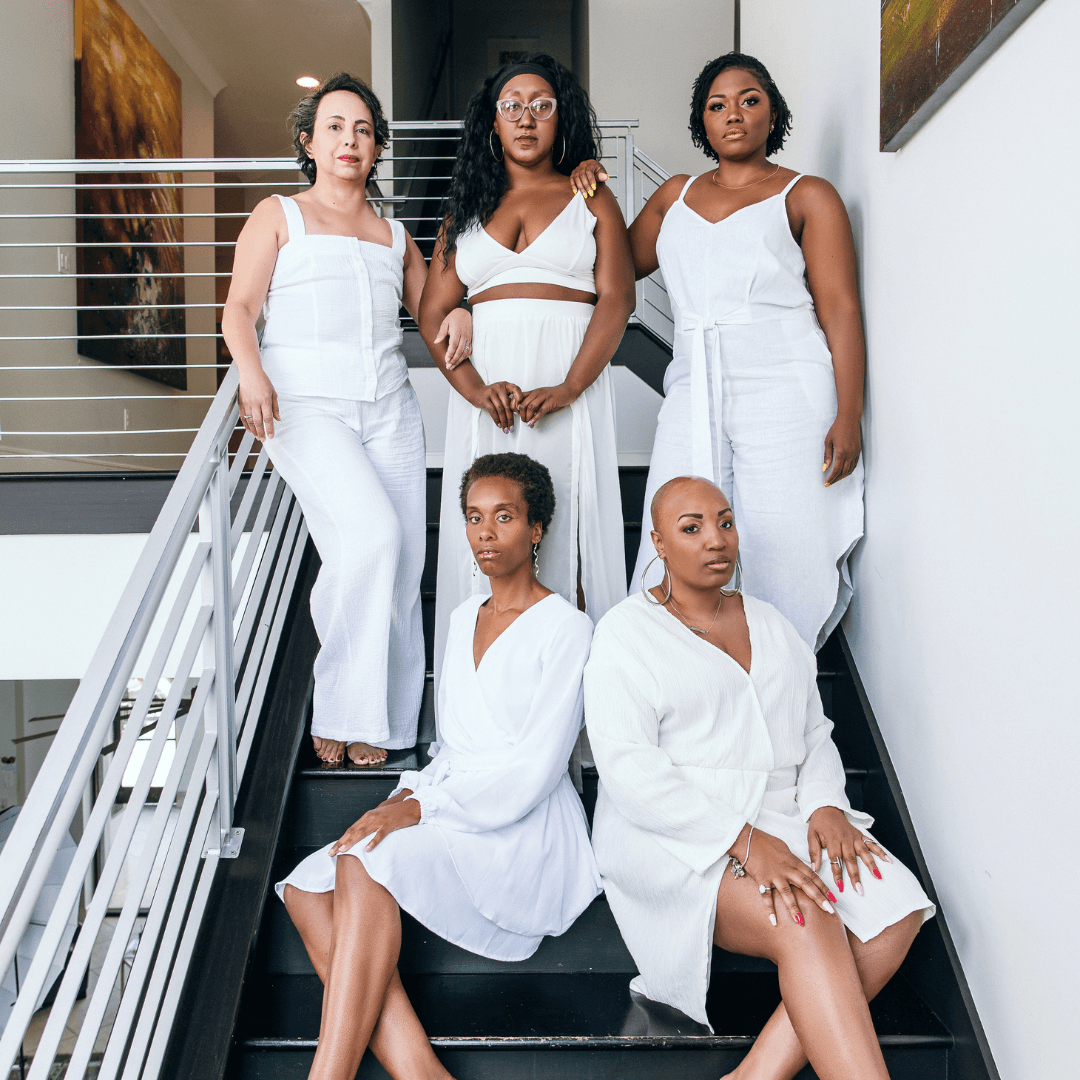
Image courtesy of For the Breast of Us.
Q:
Was there a friendship or a connection online that was particularly meaningful to you?
A:
It's funny that you're asking me this. I actually met a young woman on Instagram. Her name is Christina. She was one of my first like, breast cancer friends. I was just up one night, high off steroids, can't go to sleep, so I'm, searching ‘#breastcancer’. I found a post, and I was just looking through the comments, because that's like the best place to find people. And Christina had commented. She was about the same age as me and I ended up reaching out to her. That's when I was actually kind of going through depression, in the middle of treatment. I just told her I was having a hard time. And so we actually became really good friends, we exchanged phone numbers. We were talking all the time, laughing about some of the things that we were going through. It was somebody that I could connect with—and someone who I could make it more of a joke with, and she would get it.
Sadly, her breast cancer returned, and she became metastatic. She was diagnosed metastatic maybe in April or May, and then she passed away in July. That fueled my advocacy too, because I was just like, ‘So why isn't anybody researching us? Like obviously, we're being diagnosed younger and younger with very aggressive forms of breast cancer.’ I think she was diagnosed at 30 or maybe 33. A lot of the reasons why I do the work that I do is because of her. And I say it's funny that you bring her up because tomorrow is her birthday.
Q:
Oh wow, that’s incredible that we are thinking of Christina now. So, after almost seven years, how is For the Breast of Us doing?
A:
First thing is, because of the landscape in the world right now, which is just going to hell in a hand basket, we haven't received any funding this year. We are on the brink of, unfortunately, of being not sure what to do. We're raising funds for our programming. Our program has three pillars: advocacy, community and education.
And we’re doing BaddieCon. We have activations and workshops and talks where we talk about family history and genetics, we talk about sex, we talk about death and dying. So just taboo topics within our community. This year, we were able to give out sixteen travel grants, so that way women could come and attend for free. These grants helped cover their lodging, plus their registration and travel. I would like to give out more.
Q:
For a final couple of questions, I’m curious about your training as a healthcare administrator and if it changed how you navigated your own breast cancer experience?
A:
I know how to navigate the healthcare system, because I worked in it so long, so it definitely did help me. I knew how to ask certain questions. I knew how to push back on doctors and get them to give me an answer that typically they probably wouldn't. I think when you ask doctors certain questions, or medical providers, in general, certain questions that patients might not typically ask, their ears perk up.
They're like, Well, how does this person know that? These are things I feel like everybody should be privy [to]. So my care was probably different from the lay person—and so since I do have that privilege, I feel like it’s my job to make sure that I share that information with other people in my community, so they can learn how to navigate the healthcare system just as easily as I did.
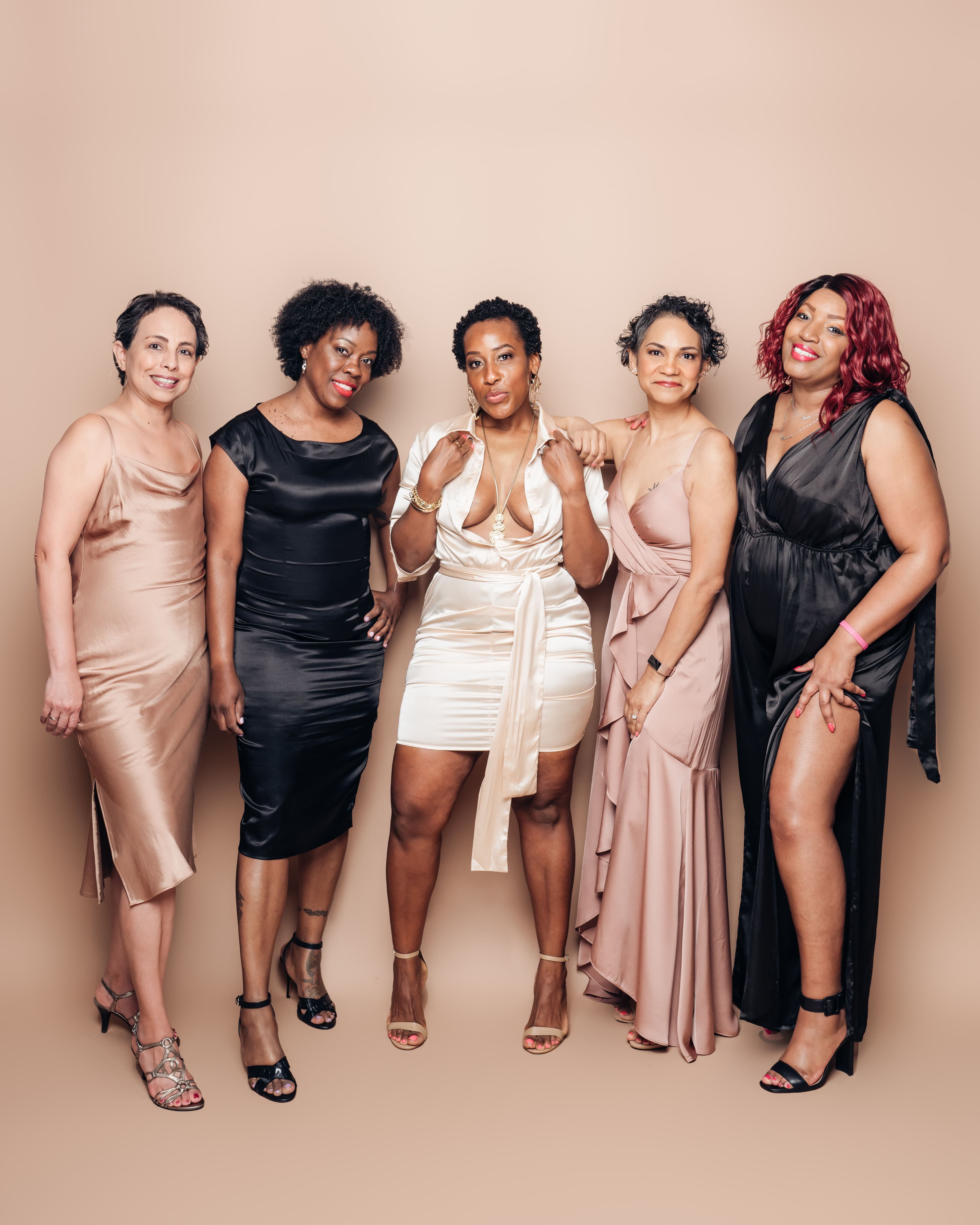
Image courtesy of For the Breast of Us.
Q:
That's a very generous impulse. How do you equip people to come in with the knowledge and confidence that you had because of your work? Is it specific questions or just encouraging them to research their diagnosis?
A:
One thing I tell them is to, mentally, just remember that when you're walking in there, you are in charge of your care and the doctors are working for you. No question is a stupid question, and if you go to a medical provider who makes you feel that way, you need to find somebody else. I always say you should always get a second opinion, especially when you're diagnosed with something that's life-changing. It doesn't necessarily have to be cancer; even if you're diagnosed with rheumatoid arthritis or inflammatory bowel disease.
When I worked at the University of Washington, we used to always tell our patients: ‘We highly encourage you to get a second opinion.’ We are not going to feel offended by it. I would ask them: ‘Well, why would you do this differently? Why do you think this would be best for me in particular?’ Always center yourself, because whatever care you're getting is going to be for you and not everybody else, because everybody's different. You can ask about quality of life with different medications. And ask your doctor, ‘What's the percentage of me having a recurrence if I do take this medication or if I don’t?’
And then the last thing I tell people is to just remember that this, that it is really shared decision-making. You have a part in making that decision, even if your medical provider doesn't agree with that. Even when I was first diagnosed, I had two providers tell me that I should get a double mastectomy. I was 35 at the time, and if we could be quite honest, I loved my breasts. So I said, ‘No, I only want to do a lumpectomy.’ After I had the surgery, the surgeon told me, ‘I’m glad you actually went with your first decision, because we were able to get your tumor out with clear margins, and so you really didn't need a mastectomy.’ It’s always a personal choice. It's your life, and you just have to decide what's best for you.