Like so many other parts of your life, you can expect your oral and mouth care to change during cancer treatment. It’s likely you may need to make adjustments to your everyday routine, including more attention and more gentle practices.
Keeping up with good oral hygiene is crucial when going through cancer treatment. Many forms of treatment may reduce the functionality of your immune system, making it that much more important to avoid infection. “Teeth and gums are a site of infection, so we can’t do anything about tooth problems during treatment," says Nancy Ohanian Gerhard, an advanced practice nurse at the USC Norris specializing in cancer and communication with patients.
Below, we’ve outlined some tips and pieces of advice from experts about keeping up with your oral care before, during, and after treatment.
Oral and Dental Care Before Treatment
If you have time before starting any form of cancer treatment (especially chemotherapy), make an appointment to see your dentist, recommends Dr. Gloria Lee, a general dentist practicing in North Potomac, Maryland. Occasionally, oncologists may request a dental clearance form, indicating that there are no active infections before starting treatment. Depending on your diagnosis and expected treatment timeline, your providers might choose to postpone tooth extractions or other procedures.
“We don't want to introduce more bacteria into the system while the patient's in treatment,” says Dr. Lee. “If it's possible, do extractions, get gum disease under control, or address any abscesses before starting treatment because they're all sources of bacteria which can delay healing once treatment has started.”
Oral Side Effects During Treatment–And How to Manage Them
Chemotherapy drugs can have an impact on all of your body’s systems–but especially parts of the body with cells that reproduce often–like your mouth. This can result in unpleasant oral side effects such as taste changes, mouth sores, saliva changes, and dry mouth. By inhibiting new cell growth in the lining of the mouth, it becomes harder for your body to produce saliva; this can reduce the healthy bacteria in your mouth, which in turn can cause mouth sores, tooth decay, and infections.
Dr. Allen Samuelson, a dentist at the University of North Carolina who works with cancer patients, recommends continuing your regular oral health regimen when possible–brushing your teeth twice a day (with a soft toothbrush), flossing, and eating healthfully. You’ll want to start rinsing your mouth after every time you eat and every four to six hours; this will keep your mouth moist and rid it of debris, which previously wouldn’t cause any problems, but could now lead to infection. Rinses can also help reduce pain if you’ve already developed sores. You’ll also want to be diligent about keeping your lips moisturized; that will reduce dryness and cracking that could lead to sores and infection.
“The cleaner you keep your mouth, the better off you're going to be because it reduces the bacterial burden in your mouth,” Dr. Samuelson says. It’s also possible your care team may advise against flossing to avoid potential bleeding, especially if your platelet counts are low; you can ask them if it’s safe. There are many different methods that achieve the same effect as traditional flossing, says Dr. Samuelson. Proxy brushes or dental flossers with a handle can make it easier to clean in between your teeth without having to open your mouth widely if you have sores that make opening your mouth more painful.
Mouth Sores and Inflammation
Mucositis–the inflammation of your mucus membrane– is another common side effect of cancer treatments like chemotherapy and radiation, which can lead to pain, swelling, and sores in your mouth. During treatment, you’ll want to check your mouth often, at least a few times a week, for new sores or abnormalities–if you find something, contact your care team.
For Dry Mouth: Lozenges and Mouth Rinses
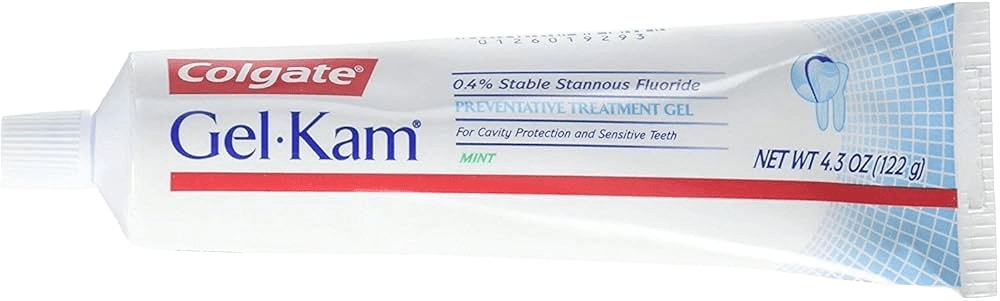
“Dry mouth will make patients more prone to cavities,” says Dr. Lee. She recommends using products with extra fluoride to keep cavity rate down and decrease teeth sensitivity, like Gel-Kam toothpaste, which has double the amount of fluoride compared to regular toothpaste. Your dentist can also prescribe PreviDent, a prescription toothpaste with a significantly higher amount of fluoride than Gel-Kam and other over-the-counter toothpastes.
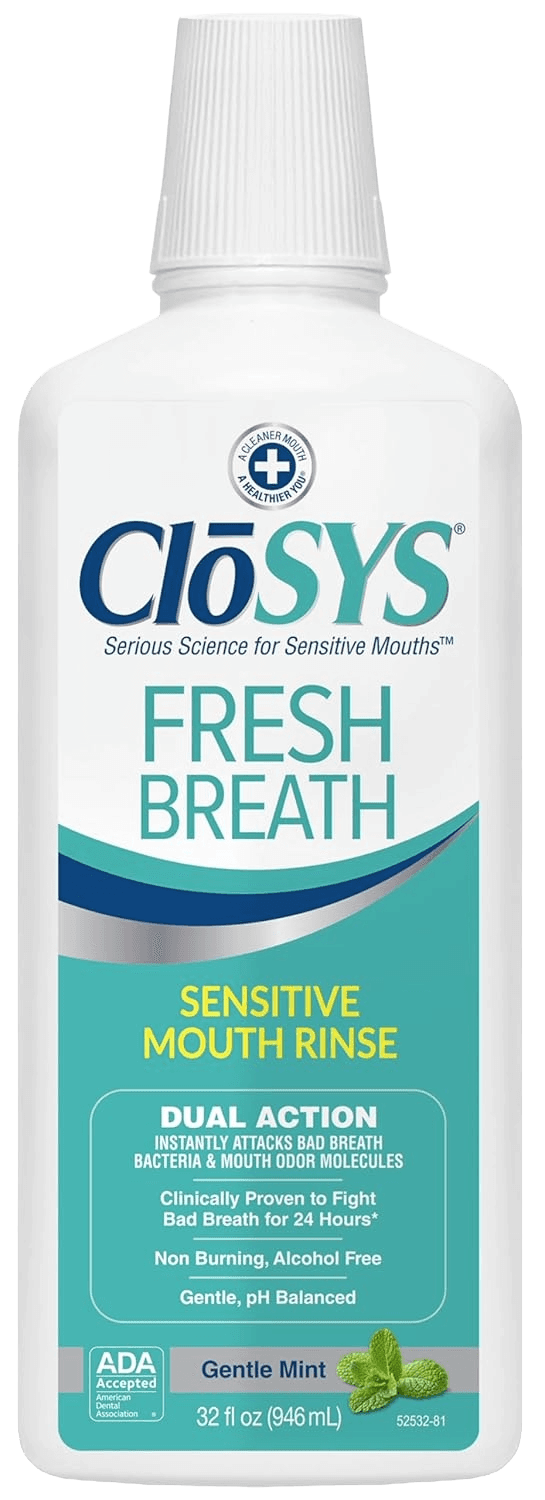
“If you don't have mouth sores yet, use an alcohol-free mouthwash, because the alcohol causes burning,” Gerhard says. In some instances, she recommends “magic mouthwash,” a solution that helps relieve discomfort that’s prescribed and made by your oncology team (you can’t buy it). “We do that 20 minutes before you start eating, because it numbs the area of the mouth temporarily so you can eat without pain. It can help with mouth sores, too,” she says.
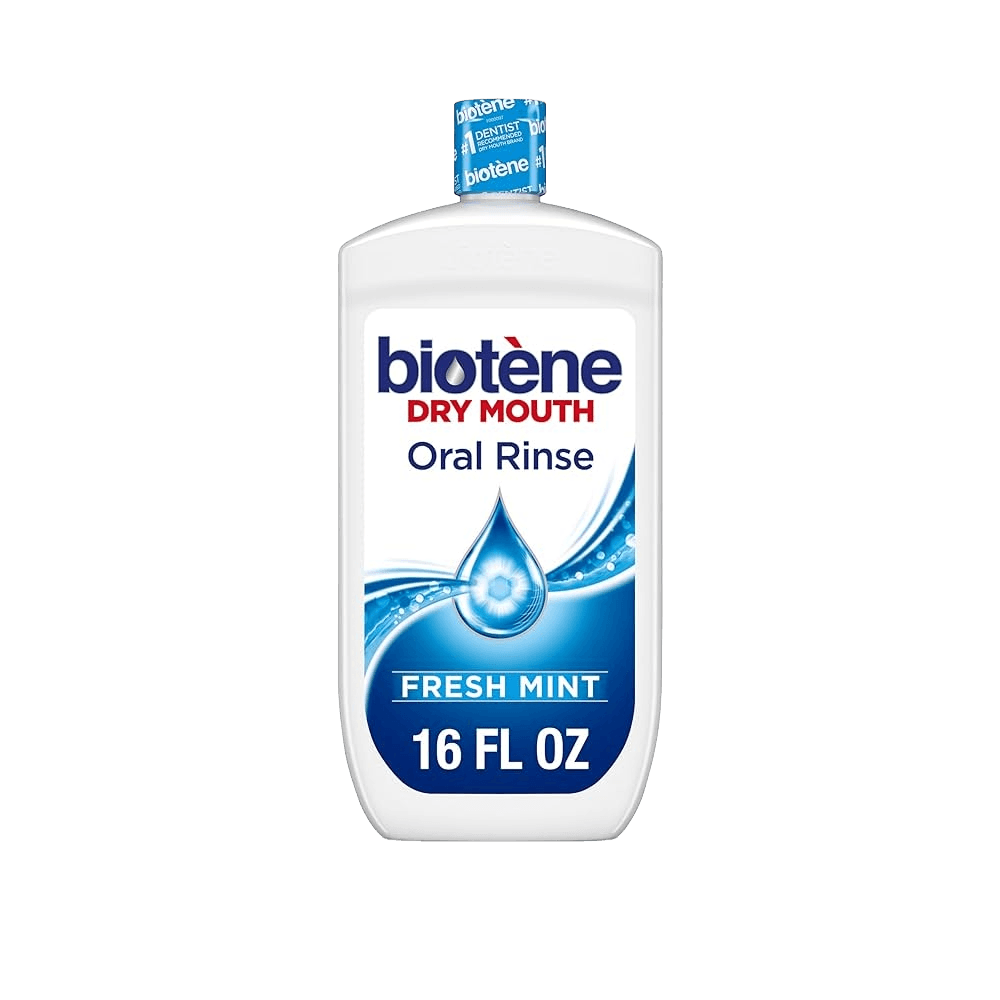
Companies like Biotene make a variety of products to counteract dry mouth, like mouth rinses, sprays, and lozenges to increase salivary flow. Closys is another Jadey favorite; it feels more like a refreshing water with mint, and not so much like intense medical mouthwash.
To help prevent and combat mucositis and dry mouth, Colleen Stuphen, an oncology nurse, recommends products from (un)cancer–like their Oral Care Dry Mouth Kit–which includes dry mouth candies for saliva stimulation, alcohol-free mouth rinse, and hydrating lip balm.
Taste Changes
Cancer can change your taste buds, and make everything taste strange, bitter, or metallic.
Dr. Nicholas C. Lambrou, an oncologist at Luminis Health in Maryland, explains, “Chemo’s effects include cells that are in your gastrointestinal system, and that starts from the mouth all the way down. That's why it affects your taste and your digestion and your acid secretion. You get a little more acid secretion and because all of that affects the system, that's one of the reasons why it affects taste. And then some medications will give a metallic taste.”
Even something as basic as water may start to taste bad to you. Lemon drop candies and mints can also help with metallic taste. Dr. Annie Su, a medical oncologist in Houston, recommends “lemonade because it's tart and sweet at the same time.” Some people have an aversion to the taste of metal, so you might want to switch to a glass water bottle away from a metal one. Through some trial and error, you’ll find foods you can tolerate. It’s important to find what kinds of foods you handle best now, so that you’re still eating and nourishing your body during treatment, even if it’s not what you would typically eat. You may find that simple foods feel most appealing.
As with all other side effects, it’s important to keep your dental and oncology team updated if any new sores or discomforts occur in and around your mouth. If discomfort persists, your care team may provide you with pain medication. And your dentist will likely want to know too. “Don't shy away from giving your dentist a call and seeing if we can't help you,” says Dr. Samuelson.